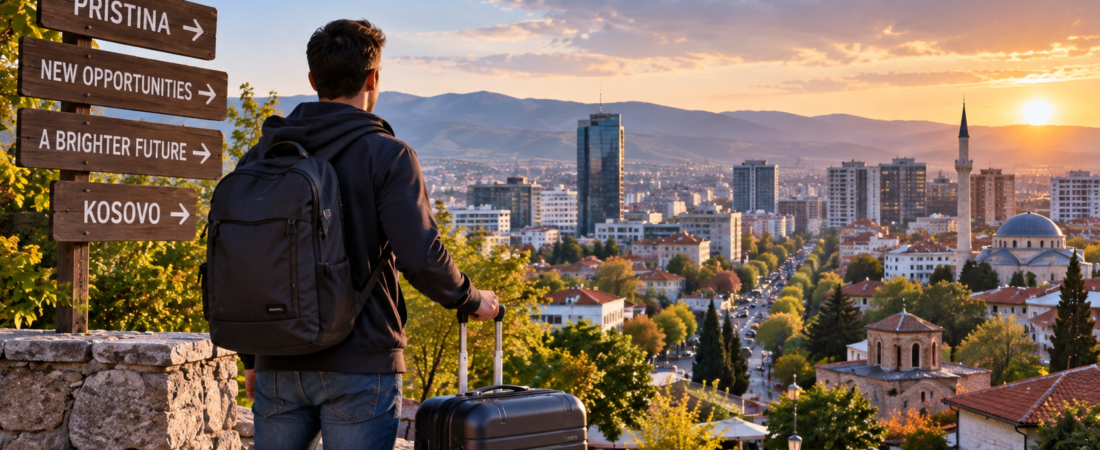
Moving to Kosovo can be an attractive option for foreigners looking for a relatively affordable lifestyle, a central location in the Balkans and a growing capital city. However, relocating to a new country requires more preparation than simply finding an apartment and booking a flight.
Before moving to Kosovo, it is important to understand the rules for entering and staying in the country, residence requirements, housing, monthly living costs, healthcare, transportation and other practical aspects of everyday life.
This 2026 guide explains the most important things expats and foreigners should know before moving to Kosovo, from planning your arrival and choosing where to live to finding accommodation, managing your budget and settling into daily life.
Before Moving to Kosovo: What You Should Know
Moving to Kosovo requires some advance planning, particularly when it comes to immigration rules, accommodation and finances. The requirements that apply to you can depend on your nationality, the purpose of your stay and how long you plan to remain in the country.
Before travelling, check the current entry requirements for your passport and make sure you understand whether you will need to apply for a residence permit for a longer stay. It is also useful to arrange temporary accommodation for your first days in Kosovo, prepare enough funds for initial expenses and keep important documents easily accessible.
Pristina is the most common starting point for many foreigners because it offers the widest range of services, employment opportunities and accommodation. However, other cities such as Prizren, Peja, Gjakova, Ferizaj and Gjilan may also be worth considering depending on your work, lifestyle and budget.
Entry, Visa and Residence Requirements in Kosovo
Before moving to Kosovo, foreigners should check the entry requirements that apply to their nationality. Depending on your passport and the purpose and length of your stay, you may need a visa or residence permit.
Foreign citizens entering Kosovo must have a valid travel document and, where required, a visa or residence permit. They must also respect the purpose and permitted duration of their stay. According to Kosovo’s Ministry of Internal Affairs, foreigners are required to report their accommodation address within three days of entering the country.
Foreigners planning to stay in Kosovo for purposes such as employment, study, family reunification or other eligible reasons may need to obtain a temporary residence permit and meet additional requirements depending on the purpose of their stay.
Because immigration requirements can differ by nationality and circumstances, anyone planning a long-term move should verify the latest requirements with Kosovo’s Ministry of Internal Affairs or the relevant diplomatic or consular mission before travelling.
Residence Permits and Working in Kosovo
Foreigners who plan to live in Kosovo for an extended period may need to apply for a temporary residence permit. The type of permit and the documents required depend on the reason for staying in the country, such as employment, study, family reunification or other eligible purposes.
Foreigners who intend to work in Kosovo should also make sure they have the appropriate legal authorization before starting employment. Working without the required permit or authorization can result in legal consequences, so employment and residence requirements should be checked before beginning work.
Applications may require supporting documents such as a valid passport, proof of accommodation, evidence of sufficient financial means and documents related to the purpose of residence. Exact requirements can vary depending on the type of application and the applicant’s circumstances.
Immigration procedures and document requirements can change, so foreigners should always check the latest instructions from Kosovo’s Ministry of Internal Affairs before submitting an application.
Where to Live in Kosovo
Choosing where to live is one of the most important decisions when moving to Kosovo. Pristina is the most common choice for many foreigners because it is the country’s main business, administrative and university centre and offers the widest range of apartments, restaurants, cafés and services.
Prizren can appeal to people looking for a smaller city with a historic atmosphere, while Peja offers convenient access to western Kosovo and nearby mountain areas. Gjakova, Ferizaj and Gjilan are other options where housing can often be more affordable than in the capital.
The best location will depend on your work, budget, transportation needs and preferred lifestyle. People working remotely may have more flexibility to live outside Pristina, while those who need access to international organizations, larger companies and a wider range of services may find the capital more convenient.
Finding an Apartment and Renting in Kosovo
Finding accommodation is one of the first practical tasks when moving to Kosovo. Pristina has the largest rental market, with options ranging from older apartments to newly built and fully furnished properties.
Rental prices can vary considerably depending on the neighbourhood, apartment size, condition, furnishing and proximity to the city centre. Before agreeing to rent a property, ask what is included in the monthly rent and whether electricity, water, heating, internet or building maintenance fees are paid separately.
It is also important to understand the heating system before signing a rental agreement. Some apartments use district heating, while others rely on electricity or alternative heating systems, which can significantly affect winter expenses.
When possible, inspect the apartment in person, clarify the deposit and payment terms, and use a written rental agreement that clearly records the responsibilities of both the tenant and the landlord.
How much Money Do You Need To Move to Kosovo?
The amount of money you need when moving to Kosovo depends mainly on your housing choice, lifestyle and whether you already have a source of income. In addition to normal monthly expenses, newcomers should prepare for initial costs such as temporary accommodation, a rental deposit, the first month’s rent and basic household purchases.
For everyday living, a single person’s monthly budget can vary significantly. Housing is usually the biggest expense, particularly in Pristina, while groceries, utilities, transportation, internet and personal spending make up most of the remaining monthly costs.
As a practical starting point, it is sensible to arrive with enough savings to cover your initial moving expenses as well as several months of normal living costs. This provides additional flexibility while finding long-term accommodation, completing administrative procedures and settling into everyday life.
For a detailed breakdown of rent, groceries, utilities, transportation and example monthly budgets, see our Cost of Living in Kosovo: Complete Guide for 2026.
Banking, Money and Payments in Kosovo
Kosovo uses the euro (€) as its currency, which makes everyday payments straightforward for people arriving from eurozone countries. Cash is still commonly used for smaller purchases, cafés, local markets and some services, while card payments are widely available in supermarkets, shopping centres, restaurants and many other businesses.
Foreign residents who plan to stay long term may find it useful to open a local bank account, particularly for receiving a salary, paying bills or managing regular expenses. Banks may request identification, proof of address and additional documentation depending on the applicant and the type of account.
ATMs are widely available in Pristina and other cities, but withdrawal fees can vary depending on your bank and the ATM provider. Before relying on a foreign bank card, check international withdrawal and currency conversion fees with your bank.
New residents should also avoid carrying large amounts of cash unnecessarily and keep digital or physical copies of important financial and identification documents in a secure place.
Mobile, Internet and Getting Connected in Kosovo
Getting connected after moving to Kosovo is relatively straightforward. Mobile services and home internet are widely available in Pristina and other major cities, with several packages available for different budgets and data needs.
Prepaid mobile SIM cards can be a practical option for newcomers who need local calls and mobile data immediately after arrival. Longer-term residents can later compare prepaid and postpaid packages depending on their usage.
Home internet is available in many urban areas, but provider availability and connection speeds can depend on the exact neighbourhood and building. Before renting an apartment, it can therefore be useful to ask which internet providers already serve the property.
When choosing a mobile or internet package, compare current prices, data allowances, contract terms and any installation costs rather than relying on older online price lists, as offers can change throughout the year.
Healtcare in Kosovo for Foreigners
Healthcare is an important consideration when moving to Kosovo. The country has public healthcare facilities as well as private clinics, laboratories and specialist medical centres, particularly in Pristina and other larger cities.
Foreign residents may choose to use private healthcare for faster access to certain consultations, diagnostic tests or specialist services. Costs can vary considerably depending on the provider and treatment, so it is useful to plan for medical expenses when preparing your monthly budget.
Before moving, check whether your existing health insurance provides coverage in Kosovo. Long-term residents may also want to compare local or international health insurance options depending on their circumstances and healthcare needs.
It is also useful to identify nearby clinics, pharmacies and emergency services shortly after settling into your new neighbourhood, rather than waiting until medical care is needed.
Transportation and Getting Around Kosovo
Getting around Kosovo is relatively straightforward because of the country’s compact size. Pristina has an urban bus network, while intercity buses connect the capital with cities such as Prizren, Peja, Gjakova, Ferizaj and Gjilan.
Public transport can be a practical and affordable option for everyday travel, particularly for people living and working within Pristina. Taxis are also widely available, although frequent taxi use can increase monthly transportation costs.
Owning a car can provide more flexibility for travelling between cities, visiting rural areas and exploring destinations that are less convenient to reach by public transport. However, car owners should budget for fuel, insurance, registration, maintenance and parking.
New residents should consider where they will work and how frequently they need to travel before choosing where to live. An apartment with a convenient bus connection or within walking distance of everyday services can reduce both transportation costs and commuting time.
Daily Life and Settling In
Settling into everyday life in Kosovo can take some time, but most essential services are easy to find in larger cities. Supermarkets, pharmacies, cafés, restaurants, banks and mobile phone shops are widely available in Pristina and other urban areas.
Albanian and Serbian are the official languages of Kosovo. English is also commonly used in many businesses and services in Pristina, particularly among younger people, although learning a few basic words and phrases in the local language can make everyday interactions easier.
During your first weeks, it is useful to become familiar with your neighbourhood, identify nearby supermarkets and pharmacies, arrange a local mobile connection and understand how you will travel to work or other frequently visited places.
Keep copies of important documents and make sure you understand any administrative obligations connected with your stay. Building a simple routine during the first few weeks can make the transition to living in Kosovo considerably easier.
Moving to Kosovo Checklist
- Check the entry requirements for your nationality before travelling.
- Make sure your passport and other important documents are valid.
- Arrange temporary accommodation for your first days in Kosovo.
- Understand the address registration and residence requirements that apply to your stay.
- Prepare enough savings for initial expenses and several months of living costs.
- Compare neighbourhoods and rental prices before choosing a long-term apartment.
- Ask about heating, utilities and additional costs before signing a rental agreement.
- Arrange a local SIM card and internet connection.
- Check your healthcare and insurance options.
- Learn how public transport works in your city or plan your transportation needs.
- Keep secure copies of important personal, financial and immigration documents.
- Check the latest official requirements before starting employment or submitting a residence application.
What Is It Like to Live in Kosovo?
Moving to a new country involves more than paperwork and finding an apartment. Everyday life in Kosovo can vary depending on the city you choose, your work situation, social life and personal expectations.
Pristina offers the largest concentration of restaurants, cafés, shopping, international organizations and professional services, while smaller cities can provide a quieter lifestyle and potentially lower housing costs. Understanding these differences before relocating can help you choose a location that better matches your priorities.
For a broader look at housing, transportation, healthcare, safety and everyday life after you arrive, read our Living in Kosovo: Complete Guide for Expats and Foreigners (2026).
Frequently Asked Questions About Moving to Kosovo
Is Kosovo a good place for expats to live?
Kosovo can appeal to foreigners looking for a relatively affordable lifestyle, particularly in comparison with many other European destinations. The experience will depend on factors such as employment, location, language, housing and personal lifestyle preferences.
Do foreigners need a visa to move to Kosovo?
Entry requirements depend on nationality, the purpose of travel and the intended length of stay. Some foreign citizens can enter Kosovo without a visa for short stays, while others may require a visa. Anyone planning a longer stay should also check whether a residence permit is required.
How much money should I have before moving to Kosovo?
There is no single amount that applies to everyone. Newcomers should budget for initial expenses such as temporary accommodation, a rental deposit and the first month’s rent, while also keeping enough savings to cover several months of normal living expenses.
Is Pristina the best city for foreigners in Kosovo?
Pristina offers the widest range of employment opportunities, accommodation, restaurants and services, which can make it convenient for many foreigners. However, cities such as Prizren, Peja, Gjakova, Ferizaj and Gjilan may suit people looking for a different lifestyle or potentially lower housing costs.
Can foreigners work in Kosovo?
Foreigners can work in Kosovo when they meet the legal requirements applicable to their situation. Depending on nationality, type of employment and residence status, appropriate authorization may be required. Current requirements should be confirmed with Kosovo’s Ministry of Internal Affairs before starting work.
Is Moving to Kosovo Right for You?
Moving to Kosovo can offer a relatively affordable lifestyle, a convenient location in the Balkans and the opportunity to experience a country that continues to develop rapidly. Pristina provides the widest range of services and opportunities, while other cities may appeal to people looking for a quieter lifestyle or lower housing costs.
A successful move requires preparation. Understanding entry and residence requirements, choosing the right location, planning your budget and arranging accommodation before settling in can make the transition considerably easier.
Foreigners planning a long-term stay should always verify the latest immigration and employment requirements with official Kosovo authorities, as rules and administrative procedures can change over time.
With the practical arrangements in place, newcomers can focus on finding the right neighbourhood, building a daily routine and exploring what life in Kosovo has to offer.