
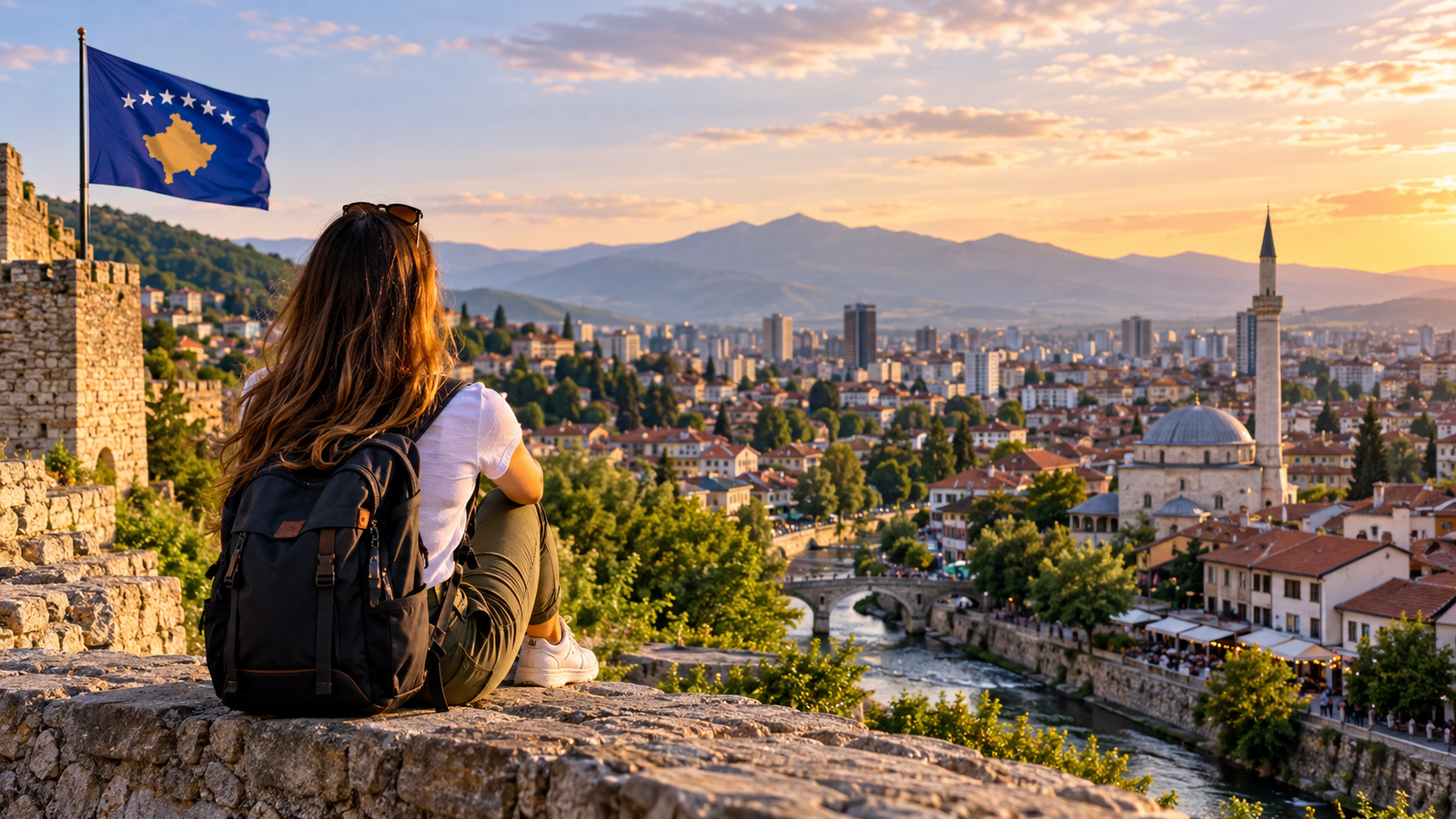
Kosovo is increasingly visited by travelers, digital nomads, foreign professionals and people considering a longer-term move.
One of the most common questions before visiting or relocating is simple:
Is Kosovo safe?
For most visitors and residents, daily life in Kosovo is generally manageable with normal urban precautions. Tourist areas, city centers, cafés, restaurants and major roads are used every day by both locals and foreigners.
However, no country is completely risk-free.
Travelers should understand the difference between ordinary everyday safety concerns such as petty theft and more specific regional risks, particularly in parts of northern Kosovo where political tensions can occasionally lead to unrest.
This 2026 guide explains safety in Kosovo, including crime, public transport, nightlife, road safety, protests, northern Kosovo, emergency numbers and practical advice for foreigners.
Is Kosovo Safe for Tourists?
For most tourists visiting destinations such as Pristina, Prizren, Peja, Gjakova or major cultural attractions, normal travel precautions are usually appropriate.
The U.S. Department of State notes that petty street crime is the most common safety concern for U.S. citizens in tourist areas, while violent crime against U.S. citizens is described as rare. Seyahat Bilgileri
The UK Foreign, Commonwealth & Development Office also advises travelers to protect themselves from pickpocketing, theft and bank-card fraud, particularly in airports, public transport and busy areas. GOV.UK
This means visitors should apply the same basic precautions they would use in other European cities.
Is Kosovo Safe to Live In?
For many foreigners living in Kosovo, daily life is centered around ordinary activities such as work, cafés, restaurants, shopping, driving and socializing.
Pristina has the largest international and expatriate community, while cities such as Prizren, Peja and Gjakova also host foreign residents and visitors.
The main day-to-day safety concerns are generally similar to those in other cities:
- Pickpocketing
- Theft
- Traffic
- Poorly lit areas at night
- Unlicensed transport
- Scams
- Card fraud
- Occasional demonstrations
Foreign residents should also follow local news, especially when political demonstrations or large public gatherings are expected.
Crime in Kosovo
Kosovo Police publishes annual crime and public-safety statistics.
Its 2025 annual report recorded 50,310 total cases, including 27,038 criminal offenses. The report stated that the number of criminal offenses decreased by approximately 2.96% compared with the previous reporting period, although some categories, including homicide and serious bodily injury, increased. Kosovo Police
These figures should be understood as nationwide police statistics rather than a direct measure of risk to tourists.
Crime patterns differ by city, neighborhood and type of incident.
Petty Theft and Pickpocketing
Petty theft is one of the more relevant risks for visitors.
Travel authorities specifically warn about pickpockets in:
- Airports
- Bus stations
- Public transport
- Crowded areas
- Busy markets
- Tourist zones
Keep wallets and phones secure, particularly in crowded spaces.
Avoid carrying unnecessary amounts of cash.
Is Pristina Safe?
Pristina is Kosovo’s capital and largest urban center.
Most visitors spend time in central areas around Mother Teresa Square, cafés, restaurants, shopping areas and business districts.
Normal city precautions are sensible:
- Keep valuables secure
- Avoid isolated streets late at night
- Use reputable taxis
- Pay attention when crossing roads
- Avoid large demonstrations
- Keep emergency numbers saved
Occasional political demonstrations take place in Pristina.
Most are peaceful, but they can cause traffic and public-transport disruption. UK travel guidance in September 2026 specifically noted recent demonstrations and advised travelers to stay away from large crowds and allow extra travel time. GOV.UK
Is Prizren Safe?
Prizren is one of Kosovo’s most popular tourist cities.
The historic center is heavily visited during weekends, festivals and summer.
Most visitors encounter a relaxed tourist environment.
As in any busy destination, watch your belongings in crowded areas and during large events.
Summer festivals can attract significant crowds, so keep phones, wallets and bags secure.
Northern Kosovo
Northern Kosovo requires separate consideration.
The U.S. Department of State currently advises travelers to reconsider travel to:
- North Mitrovica
- Leposavić
- Zubin Potok
- Zvečan
because of the risk of unrest and ethnic tensions. Seyahat Bilgileri
The UK FCDO also warns about political tensions and protests in northern municipalities, noting that demonstrations have sometimes become violent. GOV.UK
Travelers should check current official travel advice before visiting these areas.
Conditions can change quickly.
Political Demonstrations
Demonstrations occasionally take place in Kosovo.
They are usually connected to domestic political or regional issues.
Even peaceful gatherings can cause:
- Road closures
- Traffic congestion
- Public transport disruption
- Police presence
Foreign visitors should avoid demonstrations and large political gatherings.
There is little benefit in walking into a protest area simply out of curiosity.
Terrorism Risk
Official travel advisories state that terrorist attacks in Kosovo cannot be ruled out.
The U.S. Department of State currently includes terrorism among the reasons for increased caution in Kosovo. Seyahat Bilgileri
The UK FCDO similarly advises travelers to remain aware of their surroundings and notes that large public gatherings, cultural events and places of worship can be potential targets. GOV.UK
This does not mean attacks are expected during a normal visit, but travelers should follow official alerts and avoid complacency in crowded environments.
Safety for Solo Travelers
Kosovo can be practical for solo travel.
The main precautions are standard:
- Tell someone where you are going
- Avoid isolated areas late at night
- Keep your phone charged
- Use reputable transport
- Avoid excessive alcohol
- Keep emergency contacts available
Solo travelers arriving late at night may prefer arranging transport in advance.
Safety for Women Travelers
Women traveling alone should use the same precautions they would in other European destinations.
Consider:
- Using pre-arranged or reputable taxis at night
- Avoiding isolated streets
- Keeping drinks in sight
- Sharing your location with someone you trust
- Leaving uncomfortable situations early
Travel advice can vary depending on personal circumstances, so women traveling alone may also want to review official country-specific travel advice before departure.
Nightlife Safety
Pristina has an active nightlife scene, particularly around bars, cafés and clubs.
Prizren also becomes busy during summer and major events.
Basic nightlife precautions include:
- Do not leave drinks unattended
- Avoid carrying large amounts of cash
- Use reliable transportation home
- Do not accept rides from unknown people
- Stay aware of your surroundings
Groups are generally safer than walking alone late at night.
Taxi Safety
Taxis are widely used in Kosovo.
When possible:
- Use established taxi companies
- Ask your accommodation to arrange transport
- Confirm the approximate fare
- Check that the vehicle matches the company you contacted
The UK FCDO specifically recommends using pre-booked taxis as a precaution against street crime. GOV.UK
Public Transport Safety
Buses are widely used between Kosovo’s cities.
Pickpocketing is a greater concern than violent crime.
Keep bags close, particularly at:
- Bus stations
- Crowded bus stops
- Airport connections
- Busy intercity routes
Do not leave phones, passports or wallets unattended.
Driving Safety
Driving may be one of the more practical everyday risks for foreign visitors.
Drivers should be prepared for:
- Heavy traffic in Pristina
- Aggressive driving
- Pedestrians crossing unexpectedly
- Limited lighting on some rural roads
- Winter weather
- Road construction
Drive defensively and avoid unnecessary speeding.
If traveling in winter, check weather and road conditions before driving into mountainous areas.
Rental Car Safety
If renting a vehicle:
- Keep valuables out of sight
- Lock doors when leaving the car
- Use secure parking where possible
- Confirm insurance coverage
- Understand cross-border rules
UK guidance notes that luxury and four-wheel-drive vehicles may sometimes attract vehicle crime. GOV.UK
Card and ATM Safety
Card payments are common in Kosovo, but cash is still widely used.
The UK FCDO warns about card fraud and recommends using ATMs inside banks where possible. GOV.UK
Basic precautions include:
- Cover the keypad when entering your PIN
- Inspect ATMs for unusual attachments
- Avoid isolated ATMs at night
- Keep cards in sight when paying
- Use banking notifications
Cash Safety
Kosovo uses the euro.
Do not carry large amounts of cash unnecessarily.
Keep smaller amounts for taxis, cafés and minor purchases.
Store passports and larger sums securely at your accommodation.
Emergency Numbers in Kosovo
The main emergency number is:
112 — All emergencies
Additional numbers listed by UK travel guidance include:
- Police: 192
- Fire: 193
- Ambulance: 194
The 112 emergency system operates across Kosovo and coordinates police, ambulance and fire services. GOV.UK
Save these numbers before traveling.
What to Do If You Are a Victim of Crime
If you are robbed, assaulted or involved in a serious incident:
- Move to a safe location.
- Call 112.
- Report the incident to Kosovo Police.
- Contact your embassy or consulate if necessary.
- Contact your travel insurer.
- Cancel stolen bank cards immediately.
For lost or stolen passports, contact your embassy as soon as possible.
Unexploded Ordnance and Remote Areas
Official UK guidance notes that unexploded mines or munitions may remain in some remote areas. GOV.UK
Travelers hiking in rural or mountainous regions should:
- Stay on established paths
- Avoid entering abandoned military areas
- Follow local signs
- Use local guides where appropriate
Do not touch unidentified metal objects.
Mountain and Hiking Safety
Kosovo has attractive mountain areas, including Rugova and the Šar Mountains.
If hiking:
- Check weather conditions
- Download offline maps
- Carry water
- Tell someone your route
- Avoid unfamiliar trails after dark
- Use appropriate footwear
- Carry a charged phone
Mountain weather can change rapidly.
Winter Safety
Winter conditions can affect roads and mountain areas.
Snow, ice and fog can create additional driving risks.
Travelers visiting during winter should:
- Check road conditions
- Use appropriate tires
- Avoid unnecessary nighttime driving in rural areas
- Carry warm clothing
- Allow extra travel time
Summer Safety
Summer temperatures can become high.
Wildfires can also occur in the Balkans during hot, dry periods, according to U.S. travel guidance. Seyahat Bilgileri
Avoid entering areas affected by wildfire warnings.
Drink enough water and use sun protection during long outdoor activities.
Public Events and Festivals
Kosovo hosts festivals, concerts and sporting events throughout the year.
Large crowds require additional awareness.
Keep valuables secure and know where exits are located.
Sporting events can occasionally involve confrontations or demonstrations, so avoid escalating situations.
Safety for Families
Families visiting Kosovo can generally use normal travel precautions.
Parents should pay attention to:
- Road crossings
- Car seats
- Crowded public spaces
- Hot weather
- Winter road conditions
- Children wandering in busy areas
Accommodation with secure parking and convenient transport can make travel easier.
Safety for Expats
Foreign residents should develop a slightly different safety routine from short-term tourists.
Useful habits include:
- Learning basic Albanian phrases
- Saving local emergency numbers
- Knowing your nearest hospital
- Keeping copies of important documents
- Following local news
- Registering with your embassy if applicable
- Maintaining appropriate insurance
Understanding the local environment is more useful than worrying about isolated incidents.
Is Kosovo Safe at Night?
Busy central areas in Pristina and Prizren often remain active late into the evening.
However, avoid:
- Poorly lit streets
- Empty parks
- Isolated industrial areas
- Walking long distances alone while intoxicated
A short taxi ride is often preferable if you are unsure about an area.
Is Kosovo Safe for Digital Nomads?
Digital nomads generally face the same safety issues as other foreign residents.
Practical concerns include:
- Laptop theft
- Public WiFi
- Accommodation security
- Transport at night
- Payment-card fraud
Do not leave expensive laptops unattended in cafés.
Use secure internet connections when accessing banking or sensitive work accounts.
Is Kosovo Safe for LGBTQ+ Travelers?
Social attitudes can differ significantly between urban and rural areas.
Travelers should research current local conditions and consider official country-specific guidance based on their individual situation.
Pristina tends to offer a more international urban environment than smaller communities, but personal experiences can vary.
Is Kosovo Safe for Americans, British and European Travelers?
Foreign visitors are common in Kosovo.
The U.S. State Department states that violent crime against U.S. citizens is rare, although petty crime and regional unrest remain relevant considerations. Seyahat Bilgileri
Travelers should avoid assuming that nationality eliminates risk.
Normal precautions remain important.
Common Safety Mistakes to Avoid
Travel problems are often caused by ordinary mistakes rather than extraordinary dangers.
Avoid:
- Flashing large amounts of cash
- Leaving phones on café tables unattended
- Walking alone in unfamiliar areas late at night
- Joining political demonstrations
- Ignoring local warnings
- Using unknown taxis
- Driving aggressively
- Leaving valuables visible inside cars
- Carrying your only copy of important documents
Practical Safety Checklist
Before traveling to Kosovo:
- Save 112
- Check your government’s travel advice
- Buy appropriate travel insurance
- Keep digital copies of documents
- Download offline maps
- Check roaming or buy a local SIM
- Research your neighborhood
- Confirm airport transport
- Avoid unnecessary travel to areas under official warnings
So, Is Kosovo Safe in 2026?
For most visitors and residents, Kosovo can be navigated using normal travel precautions.
The most relevant everyday risks are generally petty crime, traffic, theft and occasional disruption from demonstrations.
However, regional risk is not uniform.
Northern Kosovo, particularly North Mitrovica, Leposavić, Zubin Potok and Zvečan, requires greater caution because official travel advisories cite the possibility of unrest and political tensions. Seyahat Bilgileri
Travelers should therefore avoid treating Kosovo as either completely dangerous or completely risk-free.
A better approach is to understand where risks are concentrated, follow current official guidance and use ordinary common sense.
Final Thoughts
Kosovo is home to busy cities, historic towns, mountain regions and an active café and social culture.
For most tourists and foreign residents, daily life involves the same basic safety habits required elsewhere in Europe.
Keep valuables secure, use reliable transport, avoid demonstrations, drive carefully and stay aware of official advice.
Pay particular attention to developments in northern Kosovo, where political tensions can change conditions more quickly than in other parts of the country.
With basic preparation and awareness, most visitors can focus on exploring Kosovo rather than worrying unnecessarily about safety.
the internet could use more writing like this and less shouting
[…] broader safety information, link readers to our Is Kosovo Safe? […]
Kiitos, että kirjoitit tästä ajankohtaisesta aiheesta.
I appreciate that you left room for people to figure things out in their own way