
Buying a Used Car in Kosovo: What You Need to Know
Buying a used car in Kosovo can be a practical option for foreigners who plan to live, work or establish a business in the country. Having your own vehicle can make travelling between cities, visiting rural areas and exploring the wider region more convenient.
However, purchasing a vehicle involves more than negotiating a price. Buyers should understand ownership documentation, vehicle inspections, insurance, registration requirements and the additional considerations that apply to foreign residents.
This guide explains the main steps involved in buying a used car in Kosovo in 2026, including how to inspect a vehicle, complete the ownership transfer and prepare for registration.
If you are planning to settle in Kosovo, owning a car can make everyday life more convenient, especially when travelling between cities or exploring rural areas. Before purchasing a vehicle, read our Living in Kosovo: Complete Guide for Expats and Foreigners to learn more about daily life in the country.
1. Can Foreigners Buy a Used Car in Kosovo?
Foreign nationals can purchase vehicles in Kosovo, but buying a car and registering it in your own name are separate matters.
Kosovo’s vehicle legislation provides for the registration of vehicles belonging to owners who reside or are established in the country. Foreign residents should therefore confirm which identification, residence and address documents apply to their circumstances before completing a purchase.
Visitors who do not hold Kosovo residence documents should contact a Vehicle Registration Centre before purchasing a vehicle they intend to register locally.
If you are relocating to Kosovo, understanding residency requirements and preparing the necessary documents can make purchasing and registering a vehicle easier. Our Moving to Kosovo: Complete Guide for Expats and Foreigners explains the essential steps to consider before your move.
2. Where to Find Used Cars in Kosovo
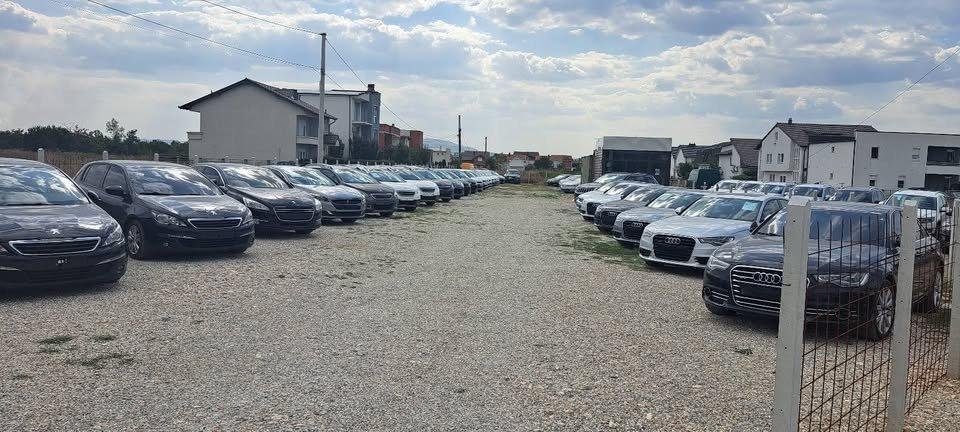
Used cars are available through dealerships, private sellers and online classified advertisements.
Dealerships allow buyers to compare several vehicles in one location. Private sellers may offer opportunities to learn more about a car’s ownership and maintenance history, although the reliability of this information varies.
Before visiting a seller, request the vehicle’s registration details, mileage, service history and vehicle identification number (VIN).
Avoid making a substantial deposit before verifying the seller’s identity and the vehicle’s documentation.
3. How to Inspect a Used Car
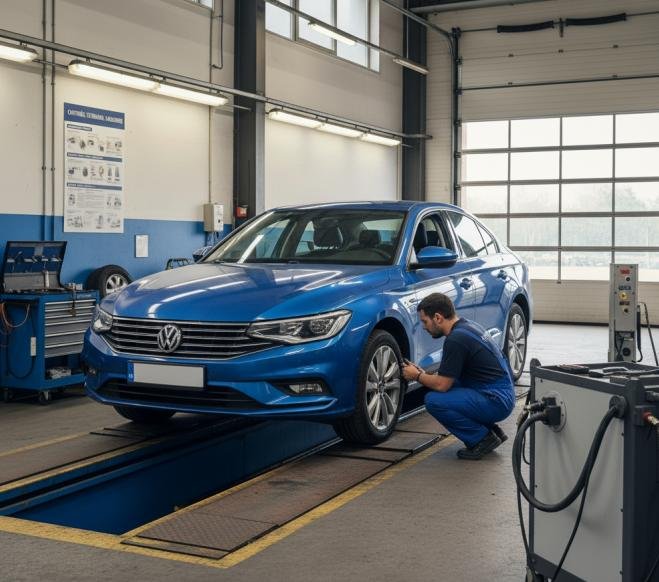
An independent mechanical inspection is one of the most useful precautions when purchasing a second-hand vehicle.
Check the engine, transmission, brakes, suspension, tyres and electronic systems. Examine the bodywork for inconsistent paint, corrosion or signs of previous accident repairs.
Compare the VIN displayed on the vehicle with its registration documents. Ask for maintenance invoices and any available inspection records.
A test drive should include different road conditions where possible. If the seller refuses an independent inspection without a reasonable explanation, consider looking for another vehicle.
4. Understanding Used Car Prices
The price of a used car depends on its manufacturer, model, age, mileage, condition, equipment and maintenance history.
Imported vehicles may also have different prices depending on whether customs clearance and local registration have already been completed.
Compare advertisements for vehicles with similar specifications rather than relying on a single asking price.
Remember that the purchase price is only one part of the total cost. Insurance, registration, inspections, servicing and potential repairs should all be included in your budget.
5. Vehicle Ownership Transfer in Kosovo
Kosovo’s Ministry of Internal Affairs identifies several documents associated with changing a vehicle’s registered owner. These include proof of ownership, the previous registration certificate and insurance in the new owner’s name. Technical inspection documentation may also be required, depending on the vehicle’s registration circumstances.
A purchase agreement certified by a notary or court is an accepted form of proof of ownership. Buyers should verify the documentation required for their particular transaction before making the final payment.
Both parties should ensure that the vehicle’s identifying information and their personal details are recorded accurately.
Following the purchase, the new owner must complete the applicable registration procedures.
Kosovo’s vehicle registration rules address ownership documentation, technical roadworthiness, insurance and relevant administrative payments. The precise requirements depend on the vehicle’s existing registration status and the type of transaction.
Compulsory motor liability insurance covers qualifying damage caused to third parties. Owners must arrange the required coverage before using their vehicles on public roads.
Additional comprehensive insurance may be worth considering for protection against theft, accidental damage and other risks, subject to the policy’s terms.
7. Buying an Imported Used Car
Imported vehicles require particular attention.
Kosovo’s Customs authority states that imported cars must satisfy the applicable age and emissions requirements. The published rules prohibit importing cars older than ten years and vehicles that do not meet the Euro 4 emissions standard. These are import requirements, not a blanket prohibition on purchasing every older vehicle already registered in Kosovo.
Before purchasing a recently imported vehicle, ask the seller for evidence of customs clearance, ownership and any required type-approval documentation.
If you intend to import a vehicle yourself, verify its eligibility and calculate the applicable duties and taxes before purchasing it abroad.
8. Common Mistakes to Avoid
A low advertised price can become expensive if a vehicle has unresolved mechanical problems or incomplete documentation.
Do not rely exclusively on the seller’s description. Verify the vehicle’s identity, arrange an inspection and check the ownership paperwork.
Foreign buyers should also confirm their registration eligibility before committing to the purchase.
Finally, retain copies of the purchase agreement, payment evidence, insurance documentation and registration records.
9. Frequently Asked Questions
Can a foreigner purchase a used car in Kosovo?
Yes. However, the requirements for registering the vehicle depend on the buyer’s circumstances, including their residence status.
Is a notary required when buying a used car?
A notarised purchase agreement is an accepted form of proof of ownership. Other recognised documentation may apply to certain transactions, including purchases from licensed dealerships.
Should I inspect a vehicle before buying it?
An independent inspection is strongly advisable, particularly when the vehicle has incomplete maintenance records or has recently been imported.
Can I import an older used car into Kosovo?
Kosovo applies vehicle age and emissions restrictions to imports. Confirm the applicable requirements with Kosovo Customs before purchasing a vehicle abroad.
Conclusion
Not everyone needs to purchase a vehicle immediately after arriving in Kosovo. Public transportation can be an alternative, particularly for people living in larger cities. Read our Public Transport in Kosovo: Complete Guide to explore buses, taxis and other transportation options.
Buying a used car in Kosovo requires careful consideration of the vehicle’s mechanical condition, ownership history and registration status.
For foreign buyers, confirming registration eligibility before paying for a vehicle is particularly important.
Taking time to inspect the vehicle, verify its documents and understand the associated costs can help prevent expensive problems after the purchase.
[…] utilities in Kosovo is an important part of moving, renting or buying property in the […]