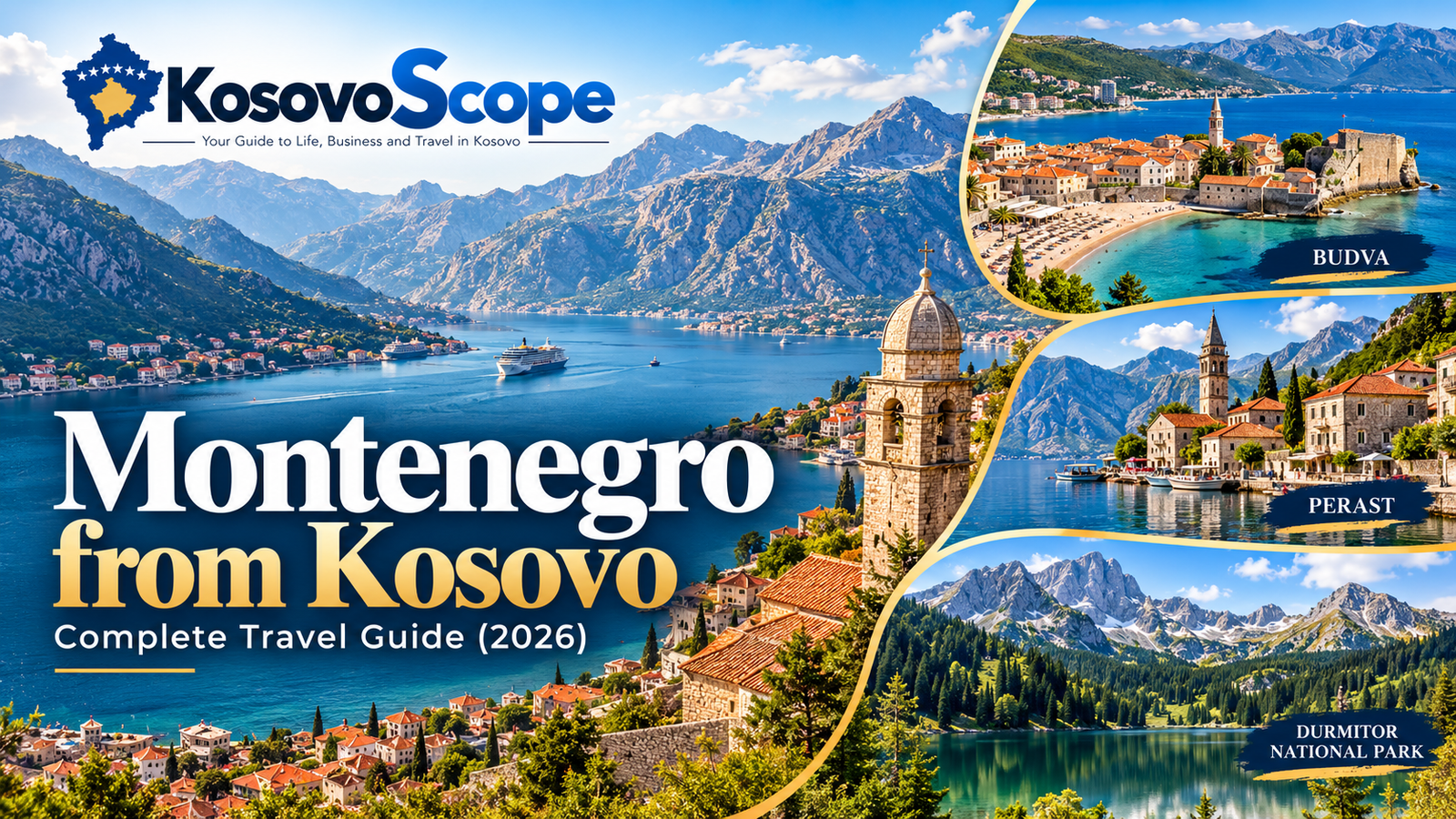
Planning to visit Montenegro from Kosovo? From the medieval streets of Kotor and the beaches of Budva to the mountain landscapes of Durmitor National Park, Montenegro offers an unforgettable combination of Adriatic scenery, historic towns and outdoor adventure.
For travelers already visiting Kosovo, Montenegro is an excellent addition to a wider Balkan itinerary. However, planning the journey requires more than simply choosing a destination on a map.
Mountain roads, international border procedures, bus connections, vehicle insurance and seasonal traffic can all affect your trip.
This Montenegro from Kosovo travel guide for 2026 explains how to get there by car or bus, which border crossings to consider, what travel documents you may need, where to stay and how to organize a realistic itinerary.
Whether you’re traveling from Pristina, Prizren or Peja, here’s what you should know before setting off.
Montenegro from Kosovo: Quick Travel Facts
| Travel question | What to know |
|---|---|
| Departure country | Kosovo |
| Destination country | Montenegro |
| Main direct border crossing | Kulina–Kula |
| Popular coastal destinations | Kotor, Budva, Tivat, Perast, Ulcinj |
| Capital | Podgorica |
| Currency | Euro (EUR) |
| Language | Montenegrin; several other languages are also used |
| Main travel options | Car, international bus, private transfer |
| Suggested trip length | 3–7 days |
| Best for | Adriatic coast, historic towns, national parks and road trips |
Important: The journey depends heavily on your destination. Podgorica, Kotor, Budva and Žabljak should not be treated as interchangeable arrival points.
Interactive Map: Montenegro from Kosovo
Explore Montenegro’s best destinations from Kosovo. Discover historic towns, Adriatic beaches, national parks and mountain scenery. Select a marker to learn more or open its location in Google Maps.
Markers show approximate destination locations. The border marker is illustrative and must not be used for navigation to the crossing. This is not a driving route map. Check current roads and border conditions before travel. Map data © OpenStreetMap contributors.
Why Visit Montenegro from Kosovo?
Montenegro is one of the most geographically varied destinations in the western Balkans.
Despite its relatively small size, the country offers:
- Historic Adriatic towns surrounded by impressive mountains.
- Scenic bays, beaches and coastal promenades.
- National parks, mountain trails and alpine lakes.
- UNESCO-listed cultural and natural heritage.
- Traditional villages, regional food and dramatic road-trip landscapes.
This variety makes Montenegro particularly appealing to travelers using Kosovo as a base for exploring neighboring Balkan countries.
For a short break, concentrate on one region. For a longer holiday, combine the coast with the country’s mountainous interior.
How to Get from Kosovo to Montenegro
Most travelers choose between driving and international buses.
A car provides flexibility, especially for reaching small towns, scenic viewpoints and national parks. Buses are more practical for visitors who prefer not to drive across a border.
Kosovo to Montenegro by Car
Driving is one of the most flexible options, but the route requires careful planning.
The main direct road crossing between Kosovo and Montenegro is Kulina–Kula, connecting the Peja area with the Rožaje region.
Travelers driving from Pristina commonly approach western Kosovo before continuing toward the border.
After entering Montenegro, routes diverge depending on whether you’re visiting Podgorica, the Adriatic coast or the northern mountains.
General route toward Montenegro:
Pristina → Peja → Kulina/Kula border → Rožaje → onward destination.
This represents the main direct border corridor, not a guarantee that it will be the fastest or most suitable route for every destination and season.
Mountain roads can involve steep gradients, sharp bends, fog, snow and slower traffic.
Check current navigation, road conditions and border operations before departure.
Can You Drive Through Albania Instead?
Yes, an alternative route through Albania may be practical for some journeys, particularly toward southern Montenegro or the coast.
For example, travelers may enter Albania from Kosovo and continue toward Montenegro using an authorized Albania–Montenegro border crossing.
However, this involves crossing two international borders rather than one.
It also requires appropriate entry eligibility for Albania and Montenegro, together with vehicle insurance valid in both countries.
Do not assume that the route through Albania is automatically faster.
Compare both options using current navigation and border information.
Pristina to Montenegro by Bus
International bus travel is possible between Kosovo and Montenegro.
Gjirafa Travel’s Pristina–Podgorica route listing, reviewed in October 2026, advertised a route distance of approximately 251 kilometers, an average journey of 6 hours 48 minutes and an average ticket price around €17.
The listing included a direct departure as well as connection-based options.
These are indicative platform figures rather than guaranteed departures or prices.
Check updated schedules: Pristina to Podgorica buses – Gjirafa Travel
When booking, verify:
- The exact travel date and departure time.
- Whether the service is direct or involves a transfer.
- The departure and arrival stations.
- Baggage allowances.
- Expected border procedures.
- Return services and ticket conditions.
If your final destination is Kotor or Budva, check onward transport from your arrival city.
An international ticket to Podgorica does not automatically include transportation to the coast.
Traveling from Prizren or Peja
Peja is a useful starting point for travelers considering the direct mountain border corridor.
From Prizren, different routes may be practical depending on whether you’re heading toward the southern coast, Podgorica or northern Montenegro.
Public transport connections may involve changing buses.
Always verify the actual departure city and connections instead of assuming the same timetable applies across Kosovo.
Private Transfers
A private transfer can be useful for families, small groups or travelers with substantial luggage.
It allows you to arrange a pickup at your accommodation and travel directly toward your chosen destination.
Before booking, confirm whether the quoted price includes international border procedures, road tolls, waiting time and luggage.
Kosovo–Montenegro Border Crossing: What You Need to Know
Kulina–Kula Border Crossing
Kulina on the Kosovo side and Kula on the Montenegro side form the principal direct road crossing between the two countries.
The route passes through mountainous terrain.
This is particularly important in winter, when snow, ice or poor visibility can affect road conditions.
Travelers should confirm that the crossing and approach roads are operational and suitable for their vehicle before setting off.
Border Checks
Requirements depend on nationality, travel documents, vehicle registration and current border arrangements.
Visitors should carry the documents required for both leaving Kosovo and entering Montenegro.
Border checks may include travel-document verification and vehicle-related checks.
Waiting times vary. Allow additional time during busy weekends, holidays and summer travel periods.
Can You Enter Montenegro with a Kosovo Passport?
Montenegro’s official visa rules allow citizens of Kosovo to enter without a visa for stays of up to 90 days using a valid travel document.
Kosovo citizens can also enter visa-free with a valid national identity card for stays of up to 30 days.
These provisions apply to Kosovo citizens specifically, not automatically to every foreign resident of Kosovo.
Do Turkish, German, British or American Visitors Need a Visa?
According to Montenegro’s published visa regime, citizens of Turkey, Germany, the United Kingdom and the United States are among the nationalities generally eligible for visa-free short visits with valid travel documents.
However, the permitted duration and document conditions must be checked for the particular nationality and travel circumstances.
The legal right to reside in Kosovo is not, by itself, proof of the right to enter Montenegro.
Some travelers holding qualifying Schengen or other recognized visas or residence permits may benefit from separate rules, but these have specific conditions and limits.
Always check the official Montenegro Government visa information before traveling.
Can You Return to Kosovo Afterwards?
This depends on your citizenship and Kosovo immigration status.
A person holding a Kosovo residence permit should verify that it remains valid and permits re-entry.
Visitors using visas or temporary entry arrangements must check whether they are eligible to return.
Do not assume that being admitted to Montenegro guarantees subsequent admission to Kosovo.
Driving Documents and Car Insurance
If you’re planning to drive from Kosovo to Montenegro, prepare your documentation in advance.
Depending on your situation, the relevant documents may include:
- Valid passport or accepted national identity card.
- Driving licence recognized by Montenegro.
- Vehicle registration documents.
- Proof of ownership or authorization to drive the vehicle.
- Valid third-party motor insurance accepted in Montenegro.
- Rental-car cross-border authorization, if applicable.
Is Kosovo Car Insurance Valid in Montenegro?
Do not assume that every vehicle insurance policy is automatically valid on both sides of the border.
The accepted proof of motor insurance depends on the vehicle’s registration country, applicable international arrangements and current bilateral insurance rules.
Contact your insurer or the relevant motor insurance bureau before departure.
If your documents do not provide legally recognized coverage, additional border insurance may be necessary.
Confirm coverage in writing wherever possible.
Can You Drive a Kosovo Rental Car into Montenegro?
Only if the rental company permits it.
Some providers may require written approval, additional insurance or a cross-border fee.
Before making your reservation, confirm the rules for Montenegro and any transit through Albania.
Best Places to Visit in Montenegro from Kosovo
Montenegro has several distinct travel regions.
A coastal itinerary feels very different from a mountain holiday, and both deserve sufficient time.
1. Kotor — Historic Old Town and the Bay of Kotor
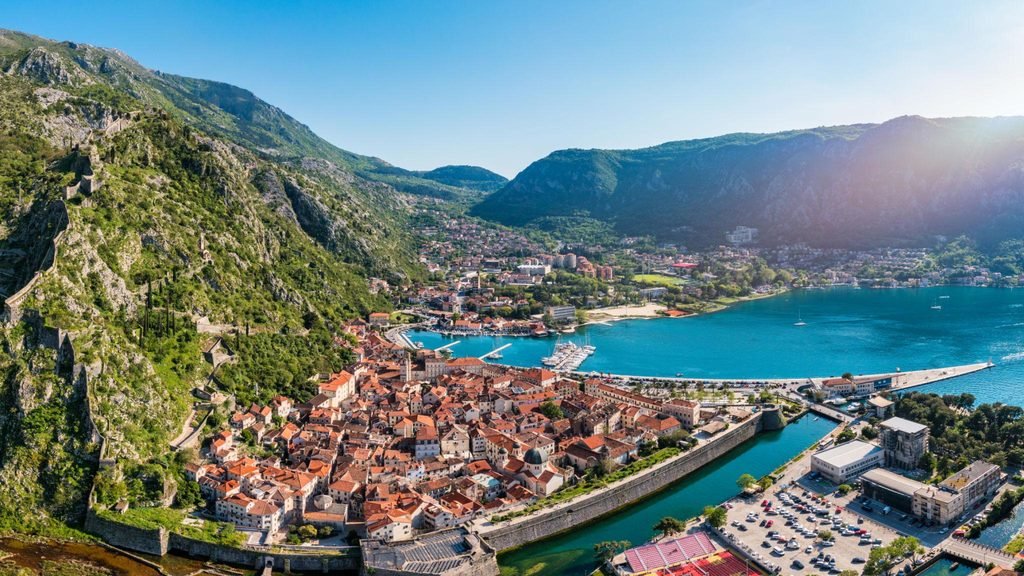
Kotor is one of Montenegro’s most recognizable destinations.
Located at the end of the Bay of Kotor, the town is famous for its medieval streets, stone buildings, historic churches and dramatic surrounding mountains.
The Natural and Culturo-Historical Region of Kotor is recognized by UNESCO.
Things to do in Kotor:
- Explore the historic Old Town.
- Visit its squares and churches.
- Walk sections of the historic fortifications where access is permitted.
- Enjoy the waterfront and mountain scenery.
- Explore nearby settlements around the bay.
Allow at least one full day, preferably with an overnight stay.
Kotor is particularly atmospheric in the early morning and evening when some day visitors have left.
Best for: History, architecture, photography, couples and coastal scenery.
2. Budva — Beaches, Old Town and Summer Atmosphere
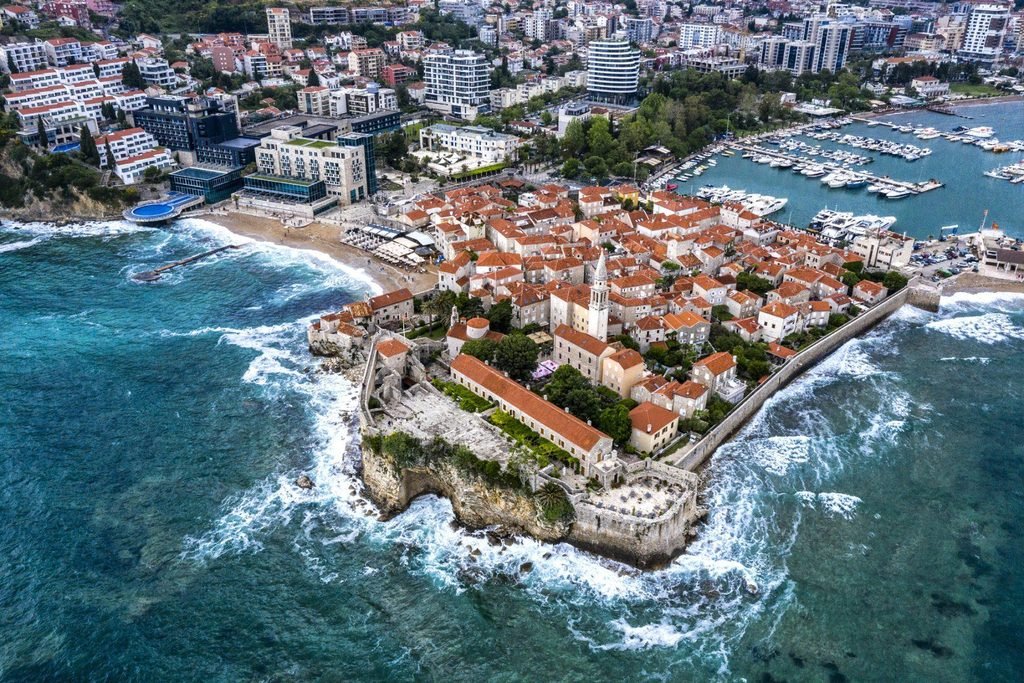
Budva is a major coastal tourism destination.
Its appeal combines a historic walled town with beaches, restaurants and a busy summer atmosphere.
Explore the Old Town and enjoy the coast, or use Budva as a base for visiting nearby beaches.
During July and August, expect greater demand for accommodation, heavy traffic and busy public areas.
Best for: Beaches, nightlife, summer holidays and travelers who enjoy lively coastal towns.
3. Perast — A Picturesque Bay Village
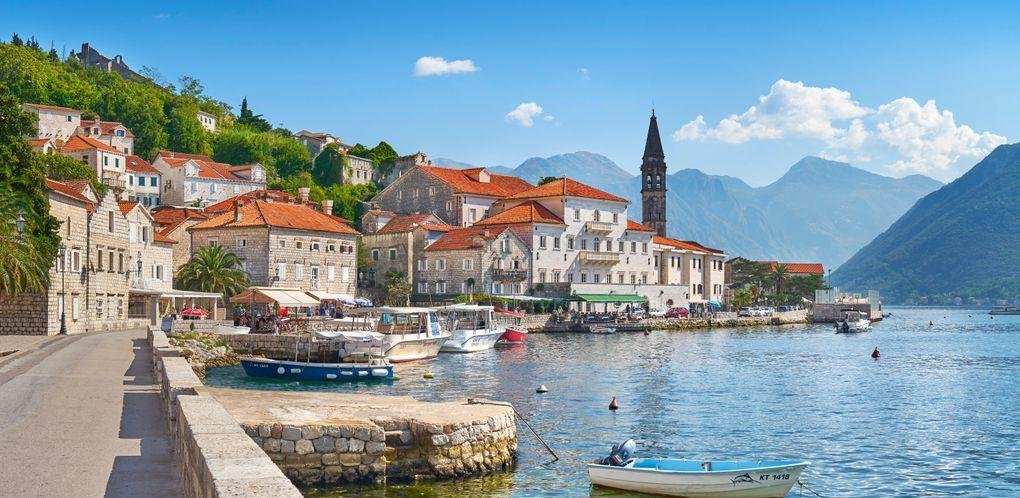
Perast is a small historic settlement on the Bay of Kotor.
It is known for traditional stone architecture, waterfront views and nearby island landmarks.
A visit to Perast pairs naturally with Kotor.
The settlement is smaller and generally quieter than Montenegro’s major resort towns, although popular sightseeing periods can still be busy.
Best for: Photography, romantic scenery, cultural sightseeing and relaxed walks.
4. Tivat — Waterfront Dining and Marina Life
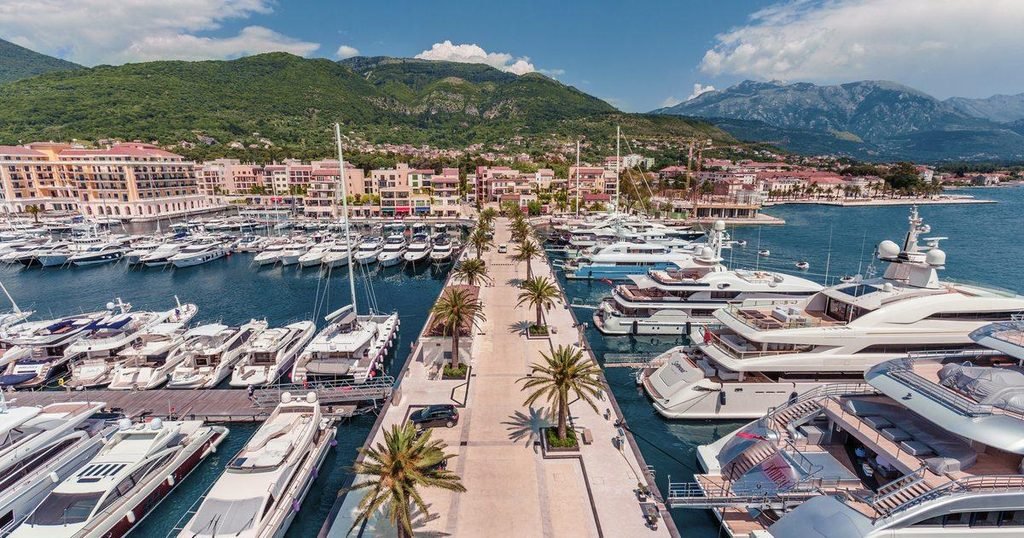
Tivat offers another side of the Bay of Kotor.
Visitors come for its waterfront, restaurants, marina area and access to nearby coastal destinations.
It can serve as a base for exploring parts of the bay, particularly if you prefer contemporary accommodation and an organized waterfront setting.
Best for: Coastal relaxation, dining, marina scenery and exploring the bay.
5. Podgorica — Montenegro’s Capital
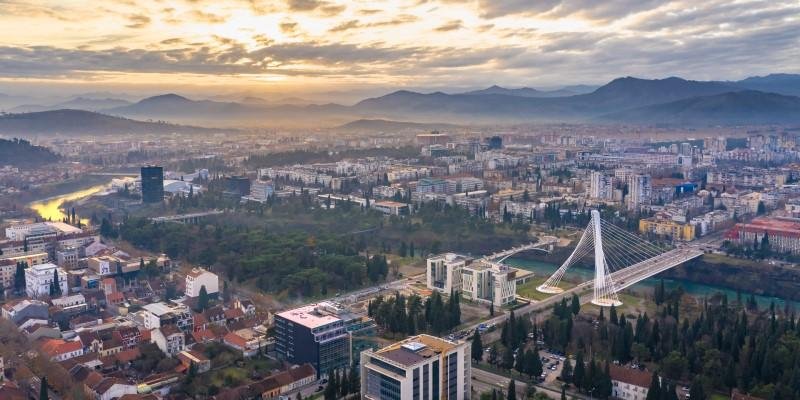
Podgorica is often treated as a transit stop, but it can also be a convenient base for short visits.
The capital offers urban parks, cafés, local restaurants and access to surrounding attractions.
It is particularly useful for travelers arriving by international bus and planning onward connections.
A short visit may be enough for travelers mainly interested in the coast, while those exploring central Montenegro can spend longer.
Best for: Transport connections, city stays and access to central Montenegro.
6. Ulcinj — Beaches and Southern Coastal Culture
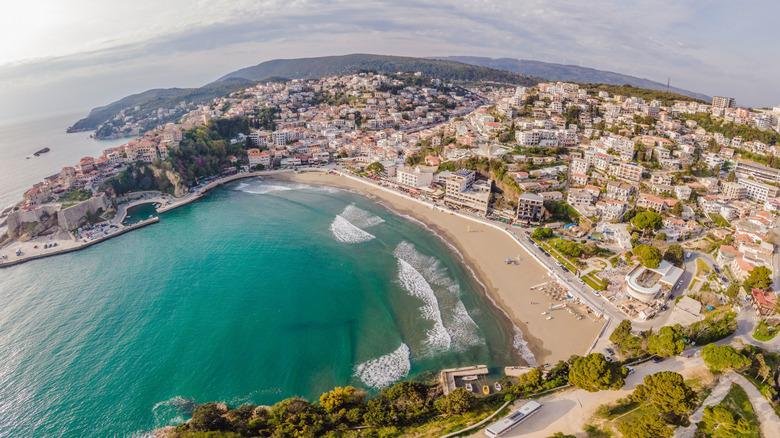
Ulcinj is situated in southern Montenegro, closer to the Albanian border.
The region is known for its beaches, historic town and distinctive multicultural atmosphere.
Velika Plaža, a long sandy beach, is one of the area’s best-known attractions.
Ulcinj can work particularly well for visitors approaching through Albania, subject to route conditions and border requirements.
Best for: Sandy beaches, families, water sports and summer travel.
7. Cetinje and Lovćen National Park — Heritage and Mountain Views
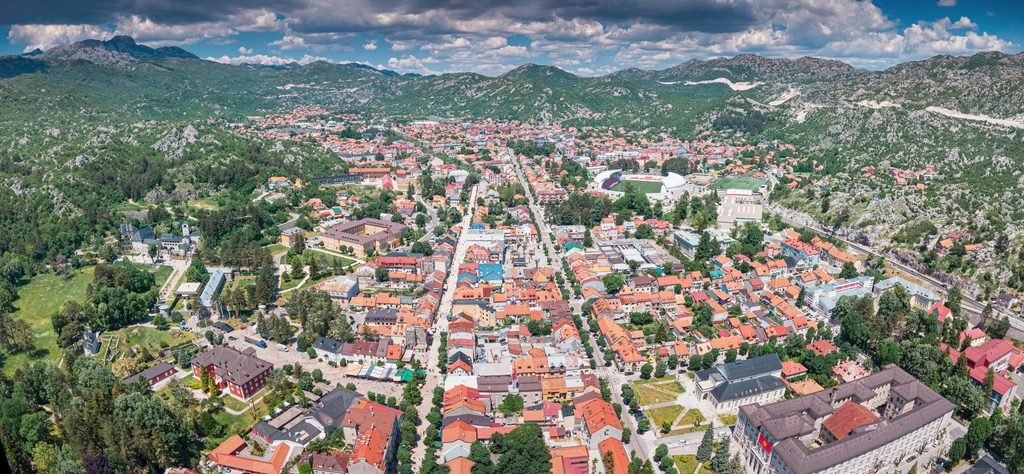
Cetinje is Montenegro’s historic royal capital and an important cultural destination.
Its museums, historic buildings and surrounding landscapes make it worthwhile for travelers interested in the country’s heritage.
Nearby Lovćen National Park offers mountainous terrain and scenic viewpoints.
The Njegoš Mausoleum is a famous attraction, but its elevated location and staircase make accessibility and weather important considerations.
Best for: History, scenic drives, mountain views and cultural experiences.
8. Lake Skadar — Wildlife, Water and Peaceful Scenery
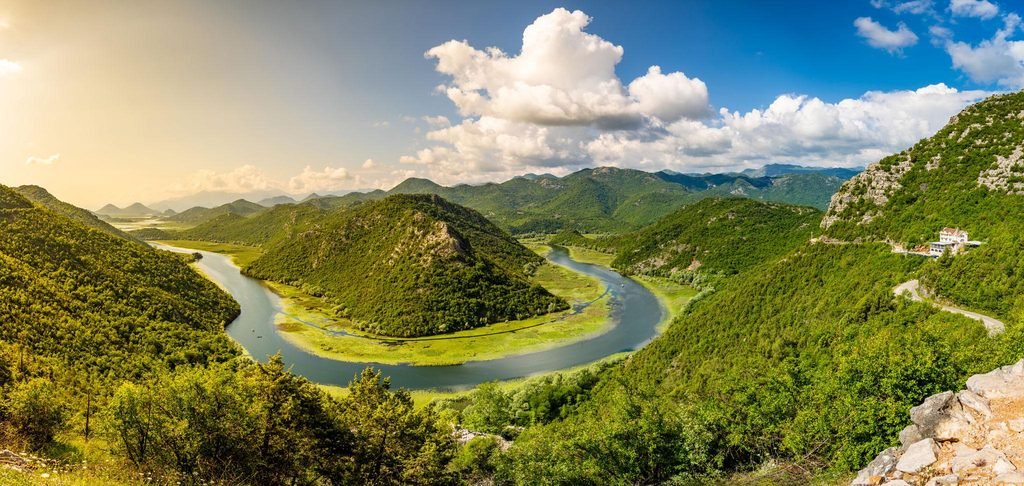
Lake Skadar stretches across the Montenegro–Albania border.
On the Montenegrin side, the national park is known for wetlands, birdlife and beautiful lakeside scenery.
Virpazar is a common starting point for exploring the lake.
Activities may include boat excursions, photography and visits to surrounding villages.
When booking a boat trip, choose an appropriately licensed operator and respect protected habitats.
Best for: Nature, birdwatching, photography and relaxing excursions.
9. Durmitor National Park and Žabljak — Mountain Adventure
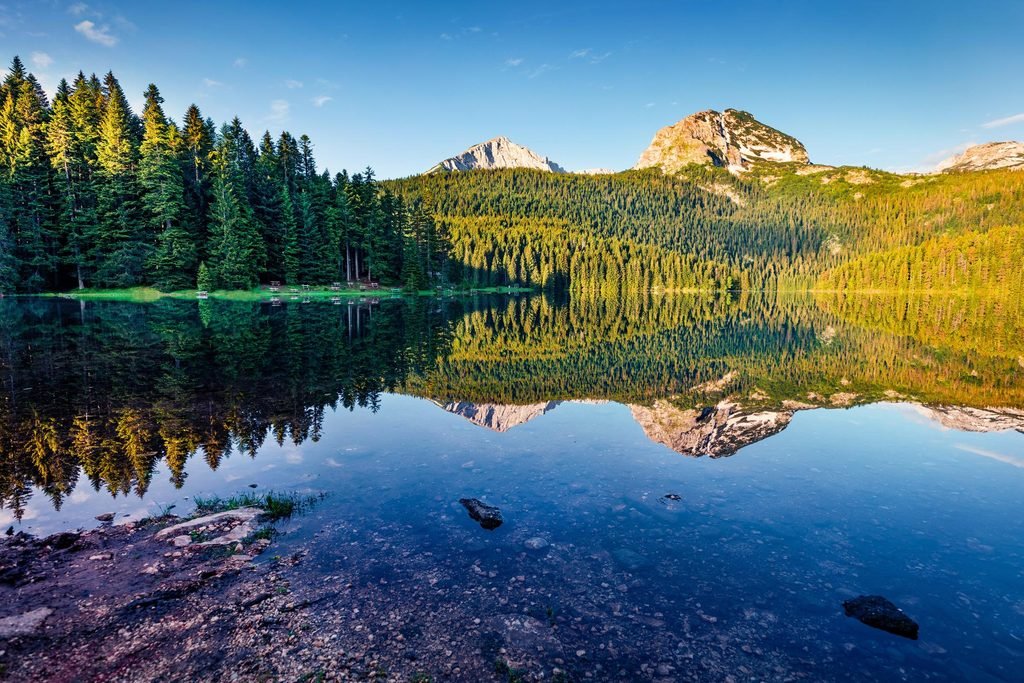
Durmitor National Park is one of Montenegro’s most important mountain landscapes and a UNESCO World Heritage property.
The area around Žabljak offers access to highland scenery, hiking routes and lakes.
Black Lake, known locally as Crno Jezero, is among the best-known attractions.
This region is a particularly attractive alternative for visitors who prefer mountains to beaches.
Mountain conditions change significantly throughout the year.
Best for: Hiking, national parks, alpine scenery, outdoor activities and photography.
10. Tara River Canyon — Dramatic Northern Landscapes
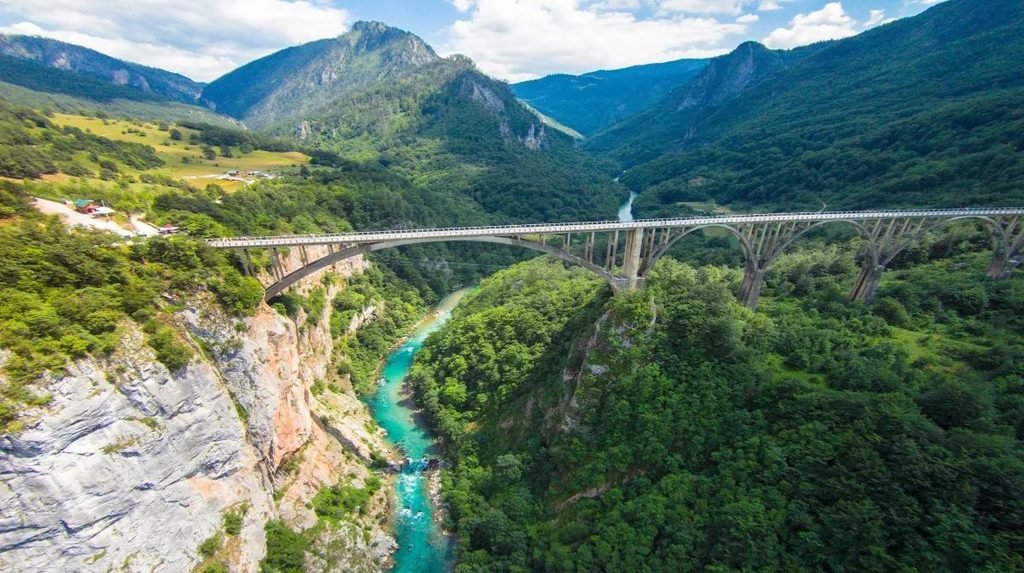
The Tara River Canyon is one of Montenegro’s best-known natural landscapes.
The region is associated with dramatic scenery, viewpoints and outdoor activities.
Rafting is popular in suitable conditions, but river levels, weather and operator safety standards matter.
Choose reputable activity providers and confirm current conditions before participating.
Best for: Outdoor adventures, scenic road trips and nature lovers.
Suggested Montenegro Itineraries from Kosovo
Three Days: Podgorica and the Bay of Kotor
Day 1: Leave Kosovo early and travel toward Montenegro. Depending on your arrival time and route, continue toward Kotor and settle into your accommodation.
Day 2: Explore Kotor Old Town and Perast.
Day 3: Return to Kosovo, allowing enough time for road conditions and the border crossing.
This itinerary is more practical with a car. It involves substantial driving on the first and last days.
Five Days: Kotor, Perast, Budva and Cetinje
Day 1: Travel from Kosovo to the Bay of Kotor.
Day 2: Explore Kotor and Perast.
Day 3: Visit Tivat or continue to Budva.
Day 4: Discover Cetinje and, if conditions allow, part of the Lovćen area.
Day 5: Return to Kosovo.
This offers a mix of culture, seaside scenery and mountain heritage without attempting to explore the entire country.
Seven Days: Coast, Lake and Mountains
Day 1: Kosovo to Podgorica or the Bay of Kotor.
Day 2: Kotor and Perast.
Day 3: Budva and surrounding coastline.
Day 4: Cetinje and Lovćen.
Day 5: Lake Skadar and surrounding landscapes.
Day 6: Travel toward Žabljak and experience Durmitor, allowing plenty of time for the mountain journey.
Day 7: Return to Kosovo.
This is a more ambitious road trip best suited to travelers comfortable with substantial driving.
For a relaxed itinerary, consider extending the trip or choosing either the coast or the mountains rather than both.
Best Time to Visit Montenegro from Kosovo
Spring
Spring is attractive for historical sightseeing and some nature-based activities.
Mountain snow and unsettled weather may still affect higher elevations.
Summer
Summer is popular for coastal holidays in Kotor, Budva, Tivat and Ulcinj.
Accommodation demand, beach crowds and road congestion can be particularly high.
Autumn
Early autumn can be pleasant for historic towns, road trips and coastal sightseeing.
Weather becomes more variable as the season progresses.
Winter
Winter is an option for city breaks and mountain activities, but snow and ice can affect border roads and access to national parks.
Check road conditions carefully before driving across the mountains.
How Much Does a Montenegro Trip from Kosovo Cost?
Montenegro’s currency is the euro, as in Kosovo.
This makes basic budgeting easier because travelers don’t need to change currencies between the two countries.
However, costs vary significantly according to destination, season and travel style.
Consider the following expense categories:
| Expense | What affects the cost |
|---|---|
| Bus tickets | Route, operator and departure date |
| Fuel | Total distance and vehicle consumption |
| Car insurance | Vehicle registration and accepted coverage |
| Accommodation | Coastal location, season and property type |
| Parking | Historic centers, beaches and hotels |
| Tourist charges | Local accommodation and registration rules |
| Food | Restaurant type and destination |
| Attractions | Museums, national parks and activities |
Coastal accommodation can be considerably more expensive in peak summer periods than in quieter months.
Compare current prices rather than relying on a fixed daily budget from an older guide.
Where Should You Stay in Montenegro?
Stay in Kotor If…
You want history, bay views, atmospheric old streets and a location suited to cultural sightseeing.
Stay in Budva If…
Your priorities are beaches, restaurants and summer nightlife.
Stay in Podgorica If…
You need a transport hub or a practical overnight stop while traveling inland.
Stay in Ulcinj If…
You prefer southern Montenegro’s sandy coastline.
Stay in Žabljak If…
You’re visiting Durmitor National Park for hiking, mountain scenery or other outdoor experiences.
Important: Tourist Registration in Montenegro
Foreign visitors must follow Montenegro’s accommodation registration requirements.
If you stay in a hotel or registered accommodation establishment, the provider normally handles registration.
If you’re staying in accommodation where the provider does not register you, you may need to report your stay to the local tourism organization or police within 24 hours.
If your trip includes overnight stays in multiple municipalities, additional registration obligations may apply.
Confirm arrangements with your accommodation provider at check-in.
Failure to comply can result in penalties.
Practical Travel Tips
Check border conditions before departure. Weather and mountain roads can affect the direct Kosovo–Montenegro crossing.
Verify your entry rights. Nationality and residence status determine the relevant visa rules.
Confirm insurance in advance. Do not assume your Kosovo vehicle coverage automatically applies in Montenegro.
Book coastal stays early in summer. Popular towns can become busy.
Avoid overly ambitious day trips. Mountain roads make travel times less predictable.
Carry suitable identification. Keep required travel documents accessible.
Ask about accommodation registration. Especially when staying in private rentals.
Use reputable transport and activity providers. Particularly for mountain excursions and rafting.
Check mobile roaming. Your telecom plan may have different terms in Kosovo and Montenegro.
Allow time to return to Kosovo. Border procedures and weather can disrupt tightly planned schedules.
Frequently Asked Questions
Can you travel from Kosovo to Montenegro?
Yes. International road and bus travel is possible, subject to entry requirements and current operating conditions.
Is there a direct border crossing between Kosovo and Montenegro?
Yes. The main direct road border crossing is Kulina–Kula.
Can Kosovo citizens enter Montenegro without a visa?
Yes. Montenegro’s official visa regime provides for visa-free visits by Kosovo citizens, subject to the accepted document and permitted stay.
Can Turkish citizens visit Montenegro without a visa?
Montenegro lists Turkish citizens among the nationalities eligible for visa-free short visits under its published rules. Always confirm the current conditions before travel.
Can I visit Montenegro from Pristina by bus?
Yes. Pristina–Podgorica services are listed by booking platforms, although availability, connections and timetables must be checked for the intended date.
Is Kotor worth visiting from Kosovo?
Yes, particularly if you enjoy coastal scenery, medieval architecture and historic towns. An overnight stay is preferable to a rushed return day trip.
Is Montenegro a good destination for a weekend?
It can be, but the best option depends on your destination and transport. A long weekend is more practical than attempting an extensive coast-and-mountains tour in two days.
Does Montenegro use the euro?
Yes. Montenegro uses the euro, making spending and budgeting relatively straightforward for travelers arriving from Kosovo.
Can I take a rental car from Kosovo into Montenegro?
Only with the rental company’s permission and the required valid insurance and vehicle documents.
Do tourists need to register their stay in Montenegro?
Yes. The registration obligation generally applies, although hotels and registered accommodation providers normally handle it for guests.
Final Thoughts: Exploring Montenegro from Kosovo
Montenegro is a rewarding destination for travelers who want to discover more of the western Balkans while using Kosovo as a starting point.
Kotor and Perast provide historic waterfront scenery, Budva and Ulcinj offer coastal holidays, and Durmitor and the Tara region reveal a completely different mountain landscape.
The most important step is choosing a realistic route.
If you have only a few days, concentrate on one area rather than attempting to see everything.
Before departing, verify your travel documents, border conditions, insurance coverage and transportation arrangements.
With careful planning, visiting Montenegro from Kosovo can become one of the highlights of a wider Balkan journey.
Continue exploring the Balkans with KosovoScope:
- North Macedonia from Kosovo: Complete Travel Guide (2026)
- Albania from Kosovo: Complete Travel Guide (2026)
- Albania Road Trip from Kosovo: 3–7 Day Itinerary (2026)
- Pristina to Skopje: Bus, Car & Border Guide (2026)
Travel information reviewed: October 20, 2026. Entry rules, bus services, border conditions, motor insurance requirements and attraction arrangements may change.
Sources & Official Travel Information
- Montenegro National Tourism Organisation — Official destinations, national parks and travel planning.
- Montenegro – Conditions for Entering the Country — Border crossings, travel requirements and tourist registration.
- Government of Montenegro – Visa Requirements — Visa-free entry, accepted documents and permitted stays.
- Government of Montenegro – Kosovo Visa Regime — Specific arrangements for Kosovo citizens.
- Gjirafa Travel – Pristina to Podgorica — Bus routes, advertised schedules, journey times and fares.
- Kotor Tourist Organisation — Old Town, cultural landmarks and visitor information.
- Budva Tourist Organisation — Budva tourism and visitor services.
- Montenegro Tourism – Durmitor National Park — Mountains and UNESCO natural heritage.
- UNESCO – Natural and Culturo-Historical Region of Kotor — Heritage designation.
- UNESCO – Durmitor National Park — World Heritage information.
- Montenegro Government – Useful Travel Information — Visitor guidance and stay registration.
Photo Credits & Image Sources
KosovoScope acknowledges and credits the photographers whose images illustrate this Montenegro travel guide. Destination photographs are sourced from Wikimedia Commons and are attributed to their respective creators.
- Kotor – Bay of Kotor
Photographer: Alexander Klink
Original photograph – Wikimedia Commons
License: CC BY 4.0 - Budva – Historic Coastal Town
Photographer: CivArmy
Original photograph – Wikimedia Commons
License: CC BY 4.0 - Perast – Historic Bay Village
Photographer: Janusz Recław
Original photograph – Wikimedia Commons
License: CC BY-SA 4.0 - Tivat – Porto Montenegro Marina
Photographer: ElenorDance
Original photograph – Wikimedia Commons
License: CC BY-SA 4.0 - Podgorica – Montenegro’s Capital
Photographer: Avi1111 (Avishai Teicher)
Original photograph – Wikimedia Commons
License: CC BY-SA 4.0 - Ulcinj – Adriatic Beach
Photographer: Mike Norton
Original photograph – Wikimedia Commons
License: CC BY 2.0 - Cetinje and Mount Lovćen – Mountain Panorama
Photographer: Calistemon
Original photograph – Wikimedia Commons
License: CC BY-SA 4.0 - Lake Skadar – Panoramic Landscape
Photographer: 井上子木
Original photograph – Wikimedia Commons
License: CC BY-SA 4.0 - Durmitor National Park – Black Lake (Crno Jezero)
Photographer: Alexander Klink
Original photograph – Wikimedia Commons
License: CC BY 4.0 - Tara River Canyon – Đurđevića Tara Bridge
Photographer: Ad Meskens
Original photograph – Wikimedia Commons
License: CC BY-SA 4.0
Featured Image Disclosure
The featured image is an AI-generated editorial illustration created for KosovoScope. It depicts an artistic representation of Montenegro’s coastline, historic towns and mountain landscapes. Scenes and geographical details are illustrative and may not represent exact real-world views.
Image Licensing and Modifications
All third-party photographs remain subject to their respective Creative Commons licenses. The original file pages linked above provide additional information about their creators and reuse conditions.
Images adapted under CC BY-SA licenses must comply with the applicable ShareAlike requirements.
Any changes, including cropping, color adjustments or other visual modifications, should be disclosed accurately. Image optimization and format conversion should also be documented where relevant.
The attribution of photographers does not imply their endorsement of KosovoScope.