
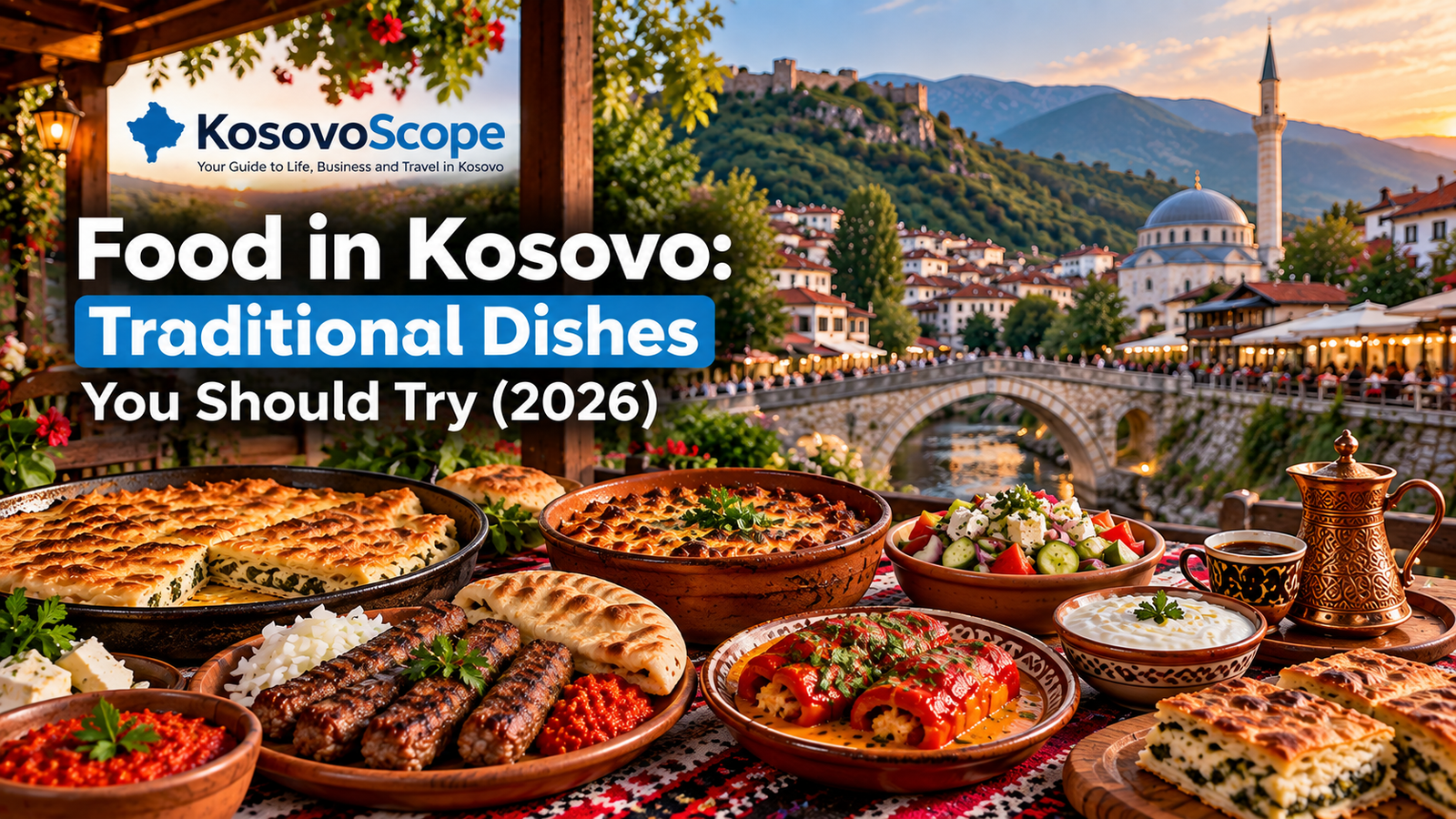
Kosovo has a rich food culture shaped by Balkan, Albanian, Ottoman and regional traditions.
For many visitors, one of the most memorable parts of traveling through Kosovo is the food. Traditional dishes are often simple, filling and built around fresh bread, meat, dairy products, peppers, pastry and seasonal vegetables.
Meals are also highly social. Families often spend long periods around the table, cafés are part of everyday life, and traditional restaurants remain popular throughout the country.
This 2026 guide explains the best traditional food in Kosovo, what dishes to try, what to expect in restaurants, vegetarian options, café culture and practical tips for visitors.
What Is Traditional Food in Kosovo Like?
Kosovo cuisine is based on hearty, home-style food.
Common ingredients include:
- Meat
- Dough and pastry
- Cheese
- Yogurt
- Peppers
- Potatoes
- Beans
- Onions
- Tomatoes
- Fresh bread
- Cream and dairy products
Some dishes are cooked slowly and served family-style.
Others, especially pastries and grilled meats, are widely available as quick everyday meals.
Kosovo’s official tourism platform highlights gastronomy as one of the country’s main visitor experiences and specifically references traditional dishes such as flija. kosovo.travel
Flija
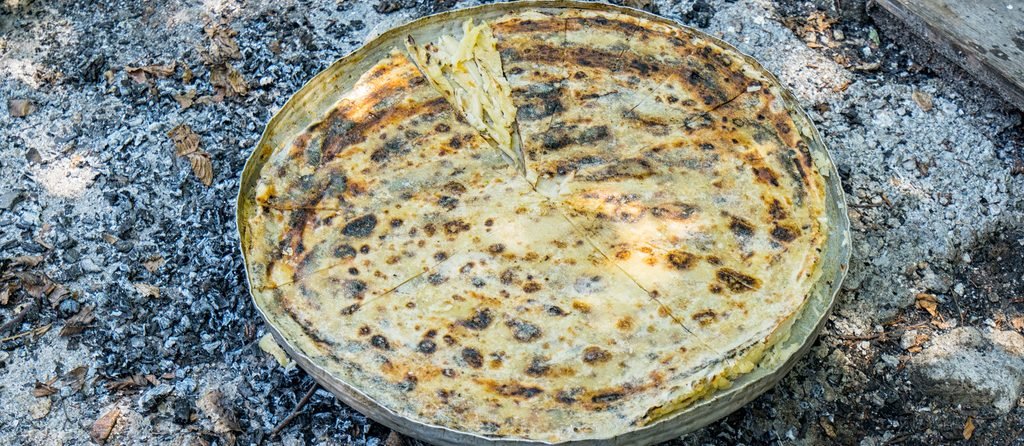
Flija is one of the most recognizable traditional dishes in Kosovo.
It is made from multiple thin layers of batter, usually combined with cream or dairy, and traditionally cooked slowly under a heated metal lid.
The cooking process can take several hours.
Flija is often associated with:
- Family gatherings
- Rural traditions
- Celebrations
- Hospitality
- Special occasions
The texture is soft, layered and slightly crisp around the edges.
It is commonly served with yogurt, cheese or other dairy products.
For many visitors, flija is one of the first dishes worth trying when exploring traditional Kosovo cuisine.
Qebapa
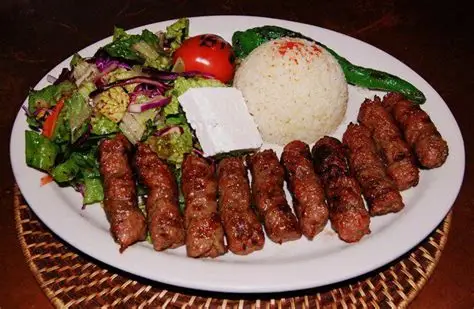
Qebapa are small grilled minced-meat sausages.
They are one of the most common grilled foods in Kosovo and are especially popular in traditional grill restaurants.
They are usually served with:
- Flatbread
- Raw onion
- Ajvar
- Yogurt
- Salad
Prizren is particularly well known for qebapa, and Kosovo’s official tourism site highlights traditional qebapa as one of the city’s culinary attractions. kosovo.travel
Qebapa are inexpensive, filling and easy to find.
Pite
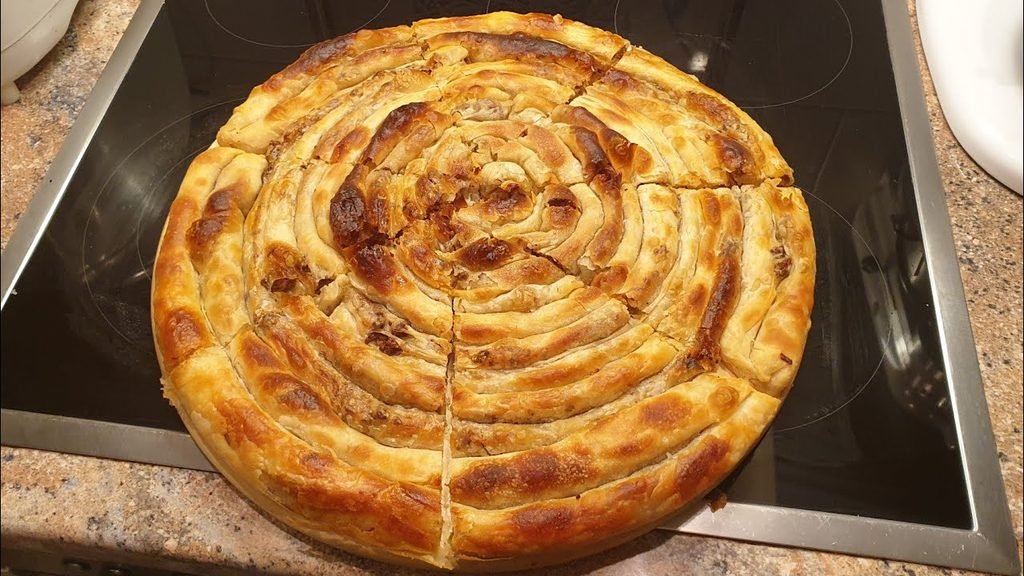
Source: Pite
Pite is a broad term for traditional filled pastry.
It is one of the most common foods in Kosovo households.
Popular fillings include:
- Cheese
- Spinach
- Leek
- Meat
- Pumpkin
- Potato
The pastry is usually made from thin layers of dough and baked until golden.
Pite can be eaten for breakfast, lunch or dinner.
It is especially common in bakeries and traditional family meals.
Burek
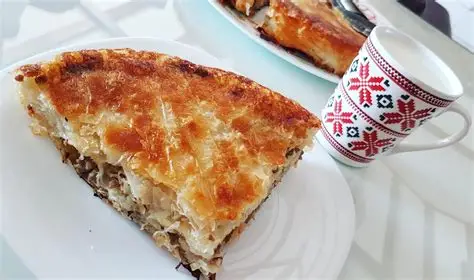
Burek is another popular savory pastry.
It is usually filled with meat, cheese or sometimes other ingredients.
It is widely available from bakeries and is often eaten as a quick breakfast or lunch.
Burek is commonly served with yogurt or ayran-style dairy drinks.
For budget travelers, it can also be one of the cheapest filling meals available.
Mantia
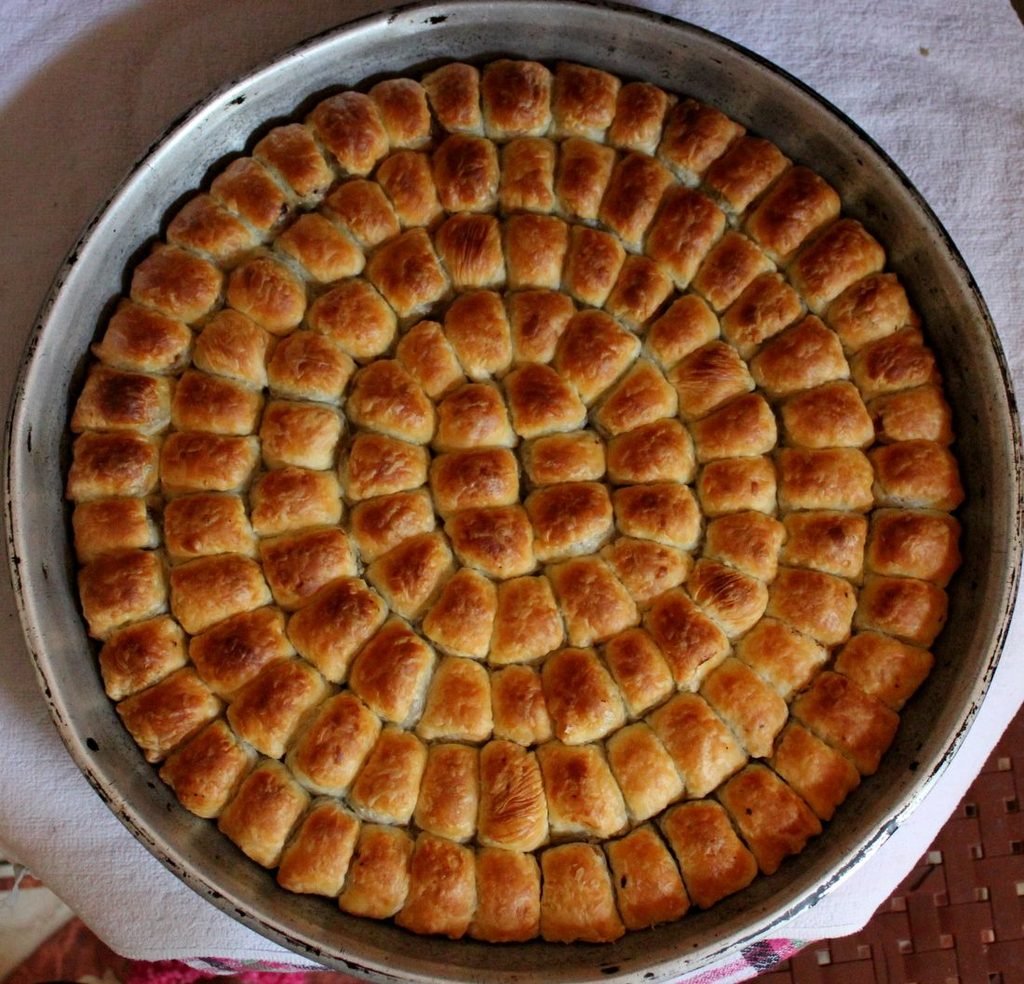
Mantia are small baked or steamed pastry parcels, usually filled with minced meat.
They are often served with yogurt and garlic sauce.
Mantia are especially popular in Kosovo and are commonly associated with home cooking and traditional restaurants.
The preparation is time-consuming because each small piece is shaped individually.
Tavë
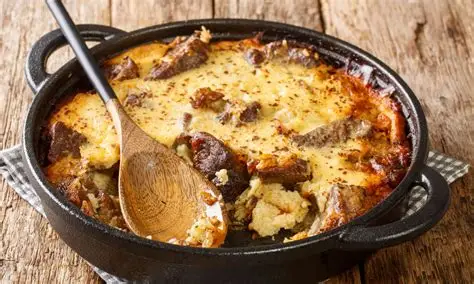
Tavë refers to a baked dish prepared in a casserole-style pan.
Different versions exist, but they may contain:
- Meat
- Vegetables
- Yogurt
- Cheese
- Peppers
- Tomato-based sauce
Tavë dishes are common in traditional Balkan cooking and are usually served hot.
Speca me Ajkë
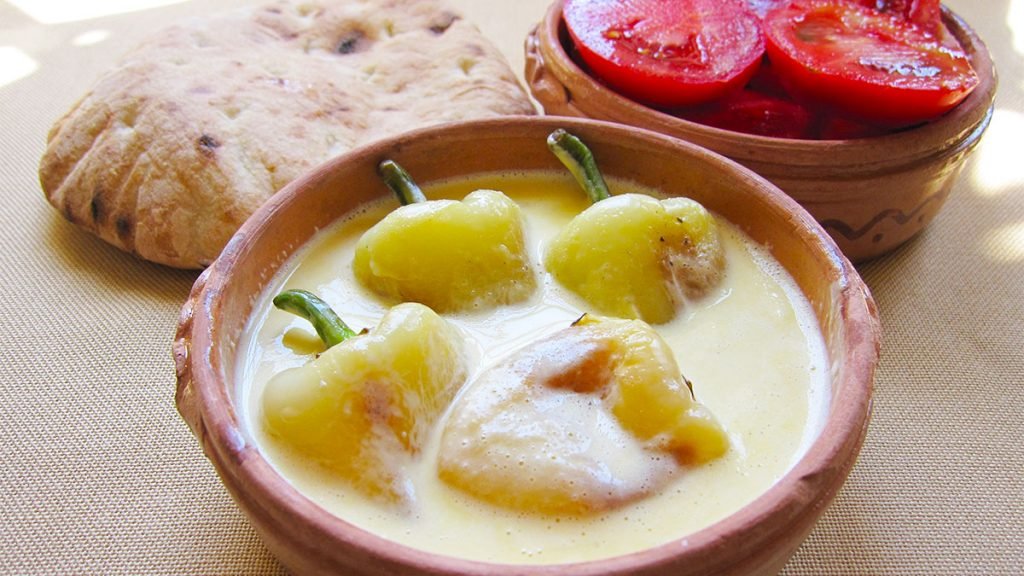
Speca me ajkë means peppers with cream.
This is a simple but very popular dish.
Roasted or cooked peppers are combined with a creamy dairy sauce.
It can be served as:
- A side dish
- A light meal
- Part of a larger traditional table
It is especially popular during pepper season.
Sarma
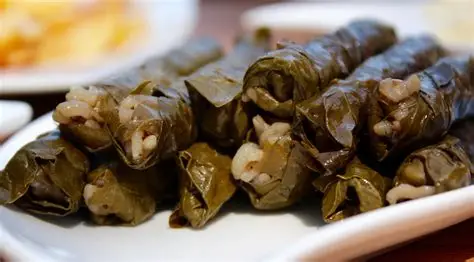
Sarma consists of cabbage or vine leaves wrapped around a filling.
The filling usually contains meat, rice and seasoning.
Sarma is especially common during colder months and family gatherings.
It is often prepared in large quantities and served over several meals.
Sujuk
Sujuk is a seasoned sausage found throughout the Balkans.
Kosovo versions are often heavily seasoned and can be grilled or cooked.
It may appear:
- In mixed grill dishes
- At traditional restaurants
- At breakfast
- In meat shops and markets
Kaçamak
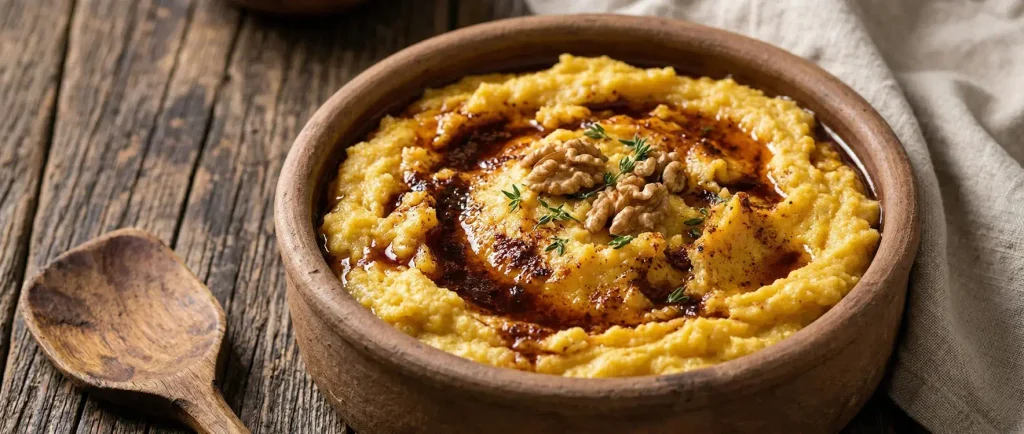
Kaçamak is a traditional cornmeal-based dish.
It is usually served with:
- Cheese
- Cream
- Yogurt
- Butter
It is simple, filling and often associated with rural cooking.
Pasul
Pasul is a traditional bean dish.
It is typically slow-cooked and can include:
- Beans
- Onion
- Peppers
- Meat
- Seasoning
It is especially popular during colder weather.
For travelers looking for inexpensive traditional food, pasul is a good option.
Stuffed Peppers
Stuffed peppers are widely prepared in Kosovo households.
They are commonly filled with:
- Minced meat
- Rice
- Onion
- Herbs
They are usually cooked in a tomato-based sauce.
Vegetarian versions are also possible.
Ajvar
Ajvar is a roasted red pepper spread.
It is especially common during autumn when families prepare peppers for winter.
Ajvar is eaten with:
- Bread
- Cheese
- Grilled meat
- Breakfast dishes
Homemade versions can vary significantly in texture and spice.
Turshi
Turshi refers to pickled vegetables.
Common ingredients include:
- Peppers
- Cabbage
- Cucumbers
- Carrots
- Green tomatoes
Turshi is especially common during winter.
It is usually served as a side dish with meat or heavier meals.
Kosovo Breakfast
A traditional breakfast may include:
- Bread
- White cheese
- Yogurt
- Eggs
- Peppers
- Ajvar
- Olives
- Sujuk
- Tea or coffee
Urban cafés also serve more international breakfast options.
In Pristina, brunch culture has grown significantly, particularly among younger residents and visitors.
Bread in Kosovo
Fresh bread is an important part of everyday meals.
Bakeries are common in every city and neighborhood.
Bread is usually inexpensive and often purchased daily.
Traditional meals are frequently served with bread even when the main dish already includes pastry or potatoes.
Dairy Products
Dairy products are central to Kosovo cuisine.
Common items include:
- Yogurt
- White cheese
- Kajmak-style cream
- Sour cream
- Milk
Many traditional dishes are served with yogurt or cream.
Desserts in Kosovo
Kosovo also has a strong dessert culture.
Many desserts reflect Ottoman and Balkan influences.
Popular options include:
- Baklava
- Trileçe
- Kadaif
- Sheqerpare
- Tulumba
Baklava
Baklava is made from layers of thin pastry, nuts and syrup.
It is especially popular during holidays and family celebrations.
Different families and bakeries may use different nut mixtures and syrup levels.
Trileçe
Trileçe is a soft milk cake soaked in a mixture of milks and usually topped with caramel.
It has become extremely popular across Kosovo.
It is available in:
- Cafés
- Bakeries
- Restaurants
- Dessert shops
For visitors who enjoy sweet desserts, trileçe is one of the easiest local favorites to try.
Kadaif
Kadaif is made with thin shredded pastry and syrup.
It is often prepared with nuts.
It is commonly served during celebrations and holidays.
Kosovo Coffee Culture
Coffee is a major part of daily social life.
Cafés are everywhere, particularly in Pristina.
Common drinks include:
- Espresso
- Macchiato
- Turkish-style coffee
- Cappuccino
- Latte
Meeting for coffee often means sitting and talking for much longer than the drink itself takes to finish.
Pristina’s café culture is also highlighted by Kosovo’s tourism platform as part of the city experience. kosovo.travel
Tea Culture
Tea is also widely consumed.
Black tea and herbal teas are common.
In some households, tea is offered automatically to guests.
Hospitality around drinks is an important part of social culture.
Traditional Restaurants
Traditional restaurants are often called restaurants serving local or national cuisine.
You may find:
- Grilled meats
- Flija
- Pite
- Mantia
- Tavë
- Salads
- Yogurt dishes
- Traditional desserts
Some restaurants focus on rustic interiors and traditional presentation.
What to Eat in Pristina
Pristina offers the widest variety of food options.
Visitors can find:
- Traditional Kosovo restaurants
- Modern Balkan cuisine
- International restaurants
- Fast food
- Vegan and vegetarian restaurants
- Cafés
- Bakeries
- Fine dining
Traditional food is easy to find, but the city also has a strong modern restaurant scene.
What to Eat in Prizren
Prizren is one of the best places to try traditional food.
The old town has many restaurants serving:
- Qebapa
- Grilled meat
- Pite
- Traditional desserts
- Local salads
Kosovo’s official tourism site specifically highlights Prizren’s traditional qebapa. kosovo.travel
The city is also an excellent place to combine food with sightseeing.
Food in Peja
Peja offers a mix of city restaurants and mountain-area guesthouses.
Traditional meals are often served in rural areas around Rugova.
Visitors may find:
- Grilled meat
- Dairy products
- Fresh bread
- Traditional stews
- Homemade dishes
Food experiences outside the city can feel more rural and family-oriented.
Food in Gjakova
Gjakova has a strong traditional atmosphere, especially around the historic bazaar.
Restaurants and cafés in the area often serve regional dishes and grilled food.
Vegetarian Food in Kosovo
Vegetarian travelers can find several traditional dishes without meat.
Good options may include:
- Cheese pite
- Spinach pite
- Speca me ajkë
- Kaçamak
- Salads
- Grilled vegetables
- Beans
- Bread and cheese
- Vegetable soups
However, always confirm ingredients.
Some dishes that appear vegetarian may be cooked with meat stock or fat.
Vegan Food in Kosovo
Vegan options are easier to find in Pristina than in smaller towns.
Traditional vegan-friendly foods may include:
- Beans
- Salads
- Roasted peppers
- Ajvar
- Pickled vegetables
- Bread
- Some vegetable dishes
Modern cafés and restaurants increasingly offer clearly labeled vegan meals.
Halal Food in Kosovo
Kosovo has a large Muslim population, and halal-style food is widely available.
However, not every restaurant formally displays halal certification.
If strict certification matters to you, ask the restaurant directly.
Do not assume every meat dish is formally halal-certified.
Pork in Kosovo
Pork is available in some restaurants and supermarkets.
However, many traditional restaurants focus primarily on beef, chicken and lamb.
Menus usually make the meat type clear.
Food Allergies
Travelers with serious allergies should be cautious.
Common allergens include:
- Dairy
- Gluten
- Nuts
- Eggs
Baklava and other desserts frequently contain nuts.
Pite, burek and bread contain gluten.
Dairy is extremely common in traditional dishes.
If your allergy is severe, carry translated information explaining it.
Restaurant Prices
Food prices vary by city and restaurant.
Traditional bakeries and grill restaurants are generally more affordable than international or upscale restaurants.
Pristina usually has the widest price range.
Tourist-heavy areas and modern restaurants may charge more.
For current budgeting, compare restaurant costs with our Cost of Living in Kosovo guide.
Tipping in Kosovo
Tipping is appreciated but is generally less formal than in some countries.
In cafés and restaurants, visitors often round up the bill or leave a modest tip for good service.
Always check whether service has already been included.
Local Markets
Markets are excellent places to experience everyday food culture.
You may find:
- Fresh vegetables
- Fruit
- Cheese
- Honey
- Peppers
- Homemade products
- Seasonal produce
Markets can be particularly interesting in late summer and autumn.
Seasonal Food
Kosovo cuisine changes with the seasons.
Spring
Fresh greens, salads and dairy products become more prominent.
Summer
Tomatoes, peppers, cucumbers and fresh fruit are widely available.
Autumn
Pepper season is especially important.
Families often prepare:
- Ajvar
- Pickled vegetables
- Preserves
Winter
Heavier dishes such as beans, sarma and meat become more common.
Kosovo Wine
Rahovec is Kosovo’s best-known wine-producing area.
The region has vineyards and a long winemaking tradition.
Kosovo’s tourism platform describes Rahovec as the country’s wine capital and highlights its vineyards, wine festivals and raki production. kosovo.travel
Visitors interested in wine may consider a trip to Rahovec.
Raki
Raki is a strong fruit-based spirit common throughout the Balkans.
It may be homemade or commercially produced.
Drink responsibly.
Homemade alcohol can vary significantly in strength.
Eating With Local Families
If you are invited to eat with a Kosovo family, expect generous hospitality.
Hosts may offer:
- Several dishes
- Bread
- Meat
- Salad
- Dessert
- Coffee
- Tea
It is common for hosts to encourage guests to eat more.
Meals can last a long time and are often an important social event.
Food Etiquette
Basic restaurant etiquette is relaxed.
Useful habits include:
- Greeting staff politely
- Waiting until everyone is served
- Not wasting excessive food
- Thanking the host
- Leaving a small tip for good service
Useful Food Words
A few Albanian food terms can help:
Bukë — Bread
Mish — Meat
Pulë — Chicken
Djathë — Cheese
Kos — Yogurt
Ujë — Water
Kafe — Coffee
Çaj — Tea
Pa mish — Without meat
Faleminderit — Thank you
Best Foods to Try on a Short Visit
If you only have a few days in Kosovo, try:
- Flija
- Qebapa
- Pite
- Mantia
- Speca me ajkë
- Ajvar
- Trileçe
- Baklava
- Local coffee
- A traditional family-style meal
Is Kosovo Food Spicy?
Most traditional Kosovo food is not extremely spicy.
Peppers are widely used, but dishes are usually flavorful rather than hot.
Some sauces or grilled dishes may be spicy, so ask if you are sensitive to chili.
Is Kosovo Food Heavy?
Traditional meals can be heavy because they often include:
- Bread
- Meat
- Pastry
- Dairy
- Potatoes
Visitors who prefer lighter meals can easily find salads, soups and grilled vegetables.
Is Tap Water Used in Restaurants?
Restaurants generally serve bottled water unless requested otherwise.
Travelers who are uncertain about local water conditions can choose bottled water.
Food Delivery
Food delivery is common in larger cities, especially Pristina.
Restaurants increasingly offer delivery directly or through local platforms.
This can be useful for:
- Expats
- Remote workers
- Families
- Travelers staying in apartments
Food Shopping
Supermarkets are widely available.
Common groceries include:
- Bread
- Milk
- Cheese
- Yogurt
- Meat
- Vegetables
- Fruit
- Imported products
Local markets may offer fresher seasonal produce.
Food and Cultural Identity
Food in Kosovo is closely connected to family, hospitality and regional identity.
Many dishes are not unique to Kosovo alone and are also found elsewhere in the Balkans.
What makes Kosovo’s food culture distinctive is often the combination of:
- Local preparation
- Family recipes
- Regional ingredients
- Hospitality
- Social dining traditions
Final Thoughts
Food is one of the easiest ways to experience Kosovo’s culture.
From slow-prepared flija and freshly baked pite to qebapa, peppers with cream, homemade ajvar and sweet trileçe, traditional food is widely available and deeply connected to everyday life.
Visitors should not limit themselves to restaurants in city centers.
Bakeries, markets, family-run restaurants and rural guesthouses can offer some of the most memorable meals.
Whether you are visiting Pristina, Prizren, Peja, Gjakova or exploring rural Kosovo, trying local food should be part of the experience.
[…] remain relatively accessible for many everyday products, but food inflation has continued during 2026. Official data shows that food and non-alcoholic beverage […]
[…] If you already have a KosovoScope food guide, this section is a perfect place to link to Food in Kosovo. […]