Understanding public holidays in Kosovo is important for anyone planning to visit, work or settle in the country. Kosovo’s official holiday calendar reflects its national history, cultural traditions and religious diversity.
The country observes national celebrations such as Independence Day and Constitution Day alongside major Muslim, Catholic and Orthodox Christian holidays.
Whether you are planning a trip, arranging business meetings or preparing to move to Kosovo, knowing when public institutions and other services may be closed can help you avoid unexpected disruptions.
This complete guide explains Kosovo’s public holidays in 2026, religious celebrations, paid leave rules, community observances and practical considerations for foreigners.
For the official annual schedule, consult the Central Bank of Kosovo’s 2026 Public Holiday Calendar. Religious holiday dates may be subject to change.
Public Holidays in Kosovo: Complete 2026 Calendar
The following calendar combines the holidays established under Kosovo’s official holiday legislation with the relevant 2026 dates. Weekend substitutions are identified separately.
| Date | Public holiday |
|---|---|
| January 1–2 | New Year’s Day |
| January 7 | Orthodox Christmas |
| February 17 | Independence Day |
| March 20 | Eid al-Fitr |
| April 6 | Catholic Easter Monday |
| April 9 | Constitution Day |
| April 13 | Orthodox Easter Monday |
| May 1 | International Labour Day |
| May 9 | Europe Day |
| May 11 | Observed Europe Day holiday |
| May 27 | Eid al-Adha |
| December 25 | Catholic Christmas |
The dates of Islamic holidays follow the lunar calendar and should always be checked against official announcements. The Central Bank of Kosovo notes that religious holiday dates may be subject to change.
National Public Holidays in Kosovo
New Year’s Day — January 1 and 2
Kosovo celebrates the beginning of the new year with two official public holidays.
Many families gather for celebrations, while restaurants, cafés and hospitality businesses may operate special holiday schedules.
Government offices and many administrative services generally close during these holidays.
Independence Day — February 17
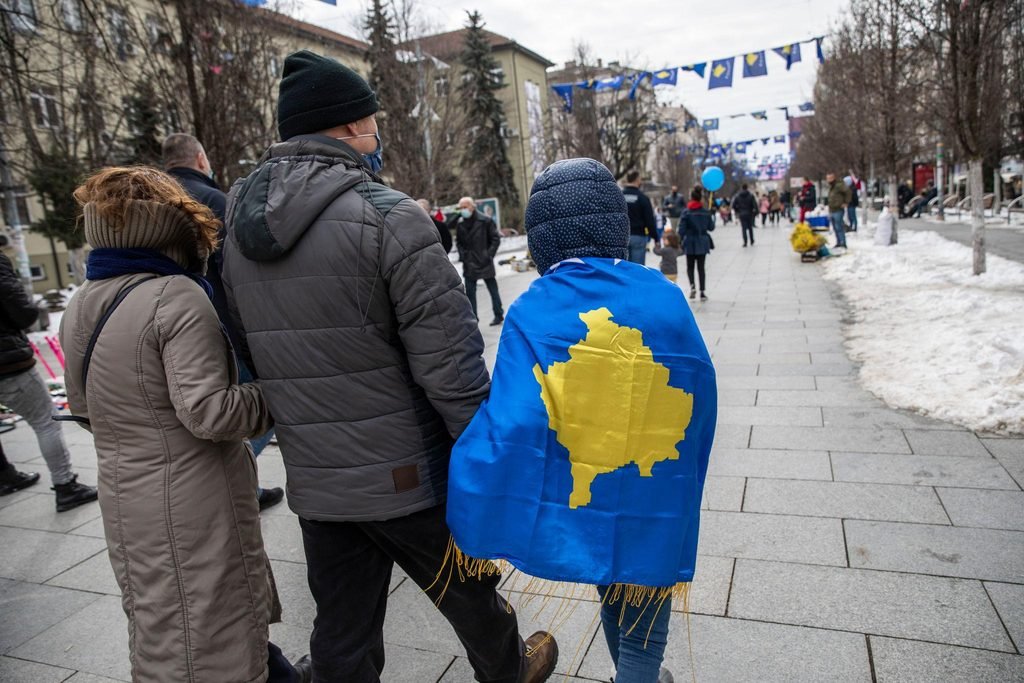
Independence Day commemorates Kosovo’s declaration of independence on February 17, 2008.
It is one of the country’s most prominent national celebrations. Public events, concerts and ceremonies may take place in Pristina and other municipalities.
Visitors may encounter increased traffic, temporary road closures and larger crowds around central public spaces.
Constitution Day — April 9
Constitution Day commemorates the adoption of Kosovo’s Constitution in 2008.
It is an official public holiday and an important date in the country’s institutional history.
Government offices and many administrative services are generally closed.
International Labour Day — May 1
International Labour Day is observed on May 1.
The holiday recognises workers and their contributions to society. Many businesses and public institutions close, although hospitality and essential services may continue operating.
Europe Day — May 9
Europe Day is an official public holiday in Kosovo.
In 2026, May 9 falls on a Saturday, so the following Monday, May 11, is the corresponding observed holiday under the general weekend-substitution rule.
Muslim Holidays in Kosovo
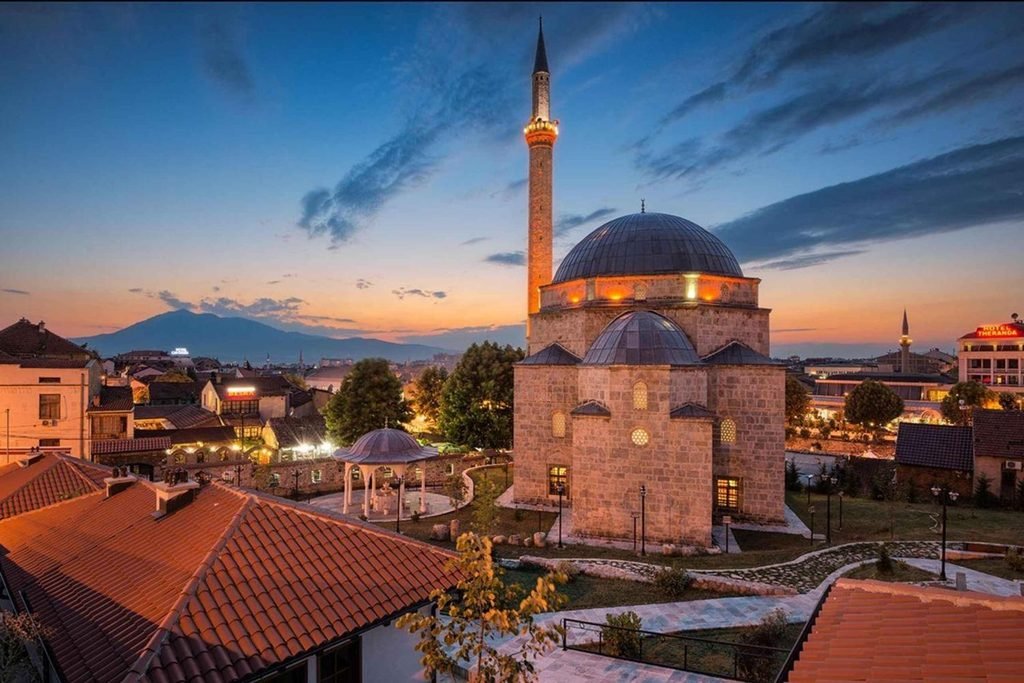
Islamic holidays are an important part of Kosovo’s religious and cultural calendar. Both Eid al-Fitr and Eid al-Adha are recognised as official public holidays, with the first day of each festival designated as a paid day off under the holiday law.
Eid al-Fitr — March 20, 2026
Eid al-Fitr, commonly called Fitër Bajrami in Albanian and Ramazan Bayramı in Turkish, marks the end of Ramadan.
It is traditionally celebrated with morning prayers, family visits, festive meals and charitable giving.
Families may visit relatives and neighbours, while children often receive sweets or small gifts.
For travellers, Eid can be an opportunity to experience local hospitality and traditions. However, some shops and businesses may close or operate reduced hours.
The 2026 holiday falls on March 20.
Eid al-Adha — May 27, 2026
Eid al-Adha, known locally as Kurban Bajrami, commemorates the tradition of sacrifice associated with the Prophet Ibrahim.
It is observed through communal prayers, family gatherings, charitable activities and the sharing of food.
Kosovo’s government confirmed celebrations on May 27, 2026.
Although religious celebrations may continue for several days, Kosovo’s official holiday legislation designates the first day as the nationwide public holiday.
Catholic and Orthodox Christian Holidays
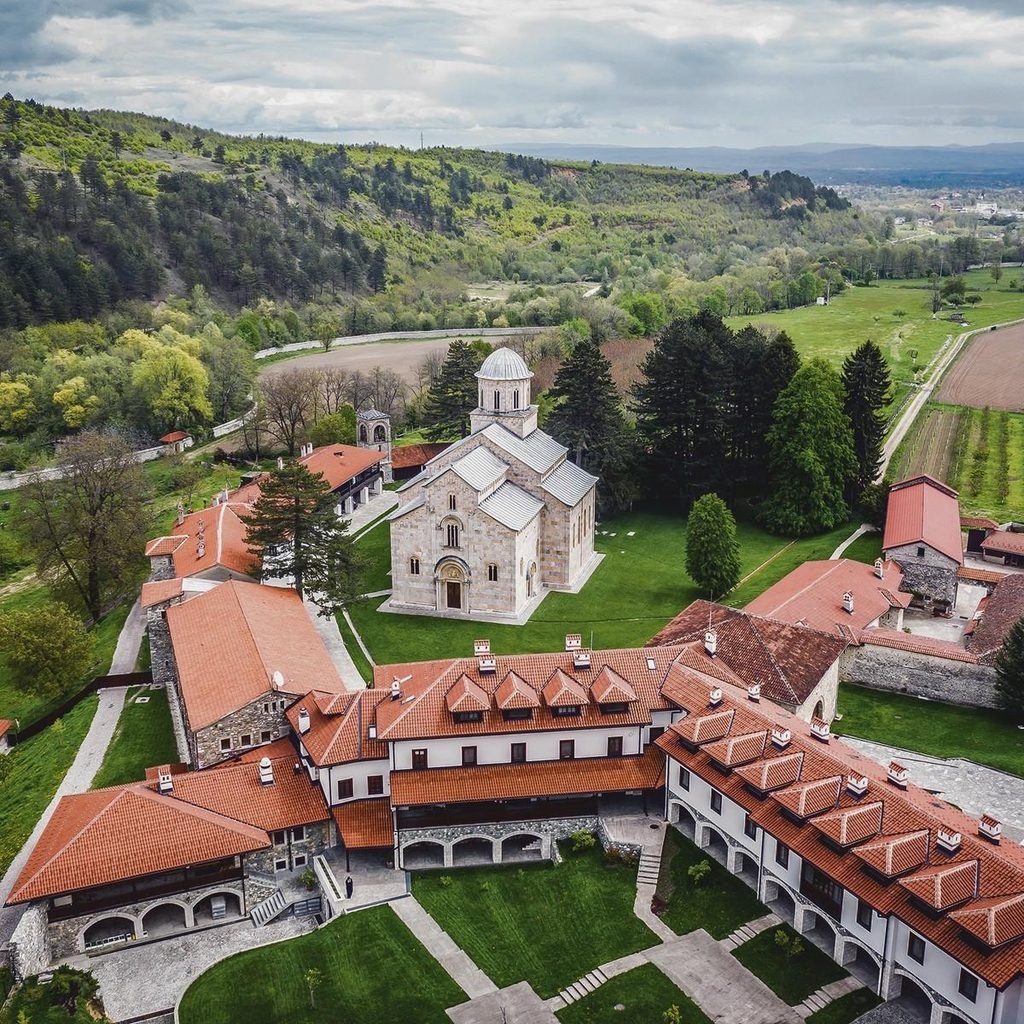
Kosovo’s official calendar recognises major holidays observed by both Catholic and Orthodox Christian communities.
Orthodox Christmas — January 7
Orthodox Christmas is celebrated on January 7 by Orthodox Christians who follow the traditional church calendar.
Religious services and family gatherings form an important part of the celebration.
The day is recognised as an official public holiday throughout Kosovo.
Catholic Easter — April 5–6
Catholic Easter Sunday falls on April 5 in 2026.
Easter Monday, April 6, is the official public holiday.
Celebrations include church services, family meals and traditional Easter customs.
Orthodox Easter — April 12–13
Orthodox Easter Sunday falls on April 12 in 2026.
The following day, April 13, is recognised as an official public holiday.
Orthodox Easter is celebrated through religious services, family gatherings and traditional foods.
Catholic Christmas — December 25
Catholic Christmas is observed on December 25.
It is a nationwide public holiday, although religious observances and family traditions vary between communities.
Community and Cultural Observances
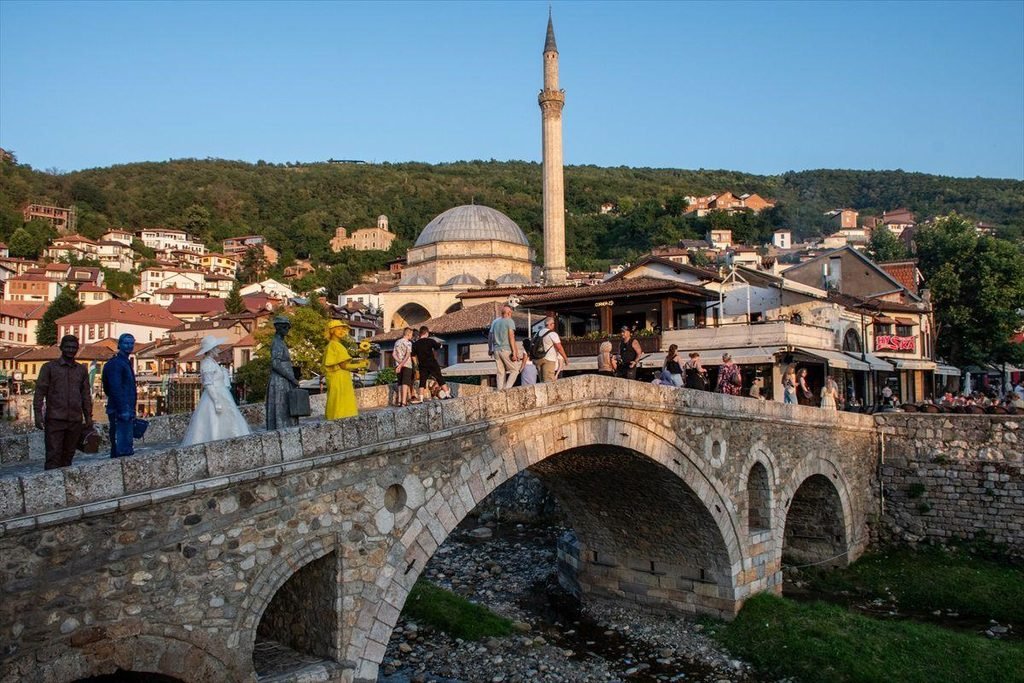
Kosovo’s cultural calendar extends beyond its nationwide public holidays.
Its official holiday legislation recognises several community and commemorative dates. These should not automatically be treated as nationwide paid days off.
| Date | Observance |
|---|---|
| February 15 | Ashkali Community Day |
| March 6 | Veterans’ Remembrance Day |
| April 8 | International Roma Day |
| April 23 | Kosovo Turkish Community Day |
| May 6 | Gorani Community Day |
| June 12 | Peace Day |
| September 28 | Bosniak Community Day |
| November 28 | Albanian Flag Day |
These observances recognise different communities and important historical events.
Local celebrations, cultural programmes and ceremonies may take place on these dates.
Are Public Holidays Paid Days Off in Kosovo?
Kosovo’s official holiday law generally establishes nationwide public holidays as paid days off for employees, subject to other applicable legislation.
The law also provides compensation for work performed on official holidays, including additional time off or monetary compensation.
Employees should check their employment contracts, workplace policies and the applicable labour legislation for their specific entitlements.
Businesses providing essential services may be required to continue operating during certain holidays.
According to Kosovo’s Law on Official Holidays (Law No. 03/L-064), official public holidays are generally paid days off for employees, unless otherwise regulated by applicable legislation.
Are Banks and Government Offices Open?
Banks, government institutions and municipal administrative offices may close during official public holidays.
However, opening hours can vary between institutions, and certain services may remain available online.
The Central Bank of Kosovo publishes an annual official holiday schedule that can help residents and businesses plan financial transactions.
If you need to complete banking or administrative procedures, avoid scheduling them immediately before a major holiday without checking the institution’s opening hours.
Travelling in Kosovo During Public Holidays
Public holidays can affect transportation, accommodation and visitor attractions.
During major celebrations, popular destinations such as Pristina and Prizren may become busier.
Visitors should check public transportation schedules, particularly during Eid, Christmas and national celebrations.
Restaurants, supermarkets and tourist attractions may operate different hours, depending on the holiday and location.
If you are planning to explore the country, our Prishtina Travel Guide and Public Transport in Kosovo articles provide additional travel information.
Frequently Asked Questions
How many public holidays does Kosovo have?
Kosovo’s holiday law establishes several national and religious public holidays, including two days for New Year and separate holidays for Catholic and Orthodox Christmas and Easter.
The total number of non-working weekdays varies annually because of weekends, substitute holidays and the dates of religious festivals.
Is Eid al-Fitr a public holiday in Kosovo?
Yes. The first day of Eid al-Fitr is an official public holiday.
Is Eid al-Adha a public holiday in Kosovo?
Yes. The first day of Eid al-Adha is also recognised as an official public holiday.
Are Catholic and Orthodox Christmas both public holidays?
Yes. Kosovo officially recognises Catholic Christmas on December 25 and Orthodox Christmas on January 7.
Is Albanian Flag Day a nationwide public holiday?
November 28 is recognised as an important commemorative day under Kosovo’s holiday legislation, but it is not automatically a nationwide paid public holiday.
Conclusion
Public holidays in Kosovo reflect the country’s national history, religious traditions and multicultural society.
For residents, foreign workers and visitors, understanding the official holiday calendar makes it easier to organise work, travel and administrative appointments.
By planning around national celebrations, Muslim festivals, Catholic and Orthodox Christian holidays and community observances, visitors can better understand Kosovo’s cultural diversity while avoiding unexpected closures.
this gave me a few things to think about without making me feel overwhelmed
Pidin tavastasi kirjoittaa.
I’ve had this tab open all day and I’m glad I finally read it